
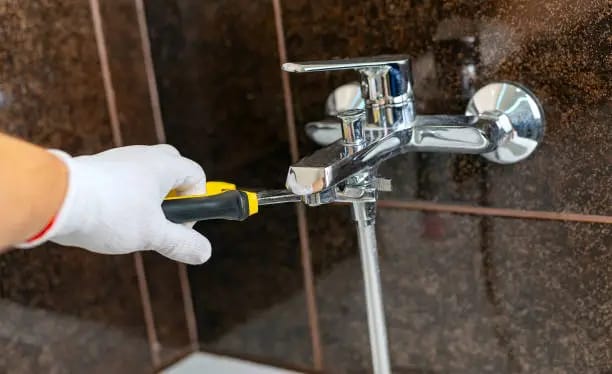
Leaking taps are not only a source of irritation due to the persistent dripping, but they also represent a larger issue of water wastage and potential damage to your home plumbing systems. Therefore, addressing a leaky faucet promptly is essential for homeowners who wish to conserve water and avoid the costs of extensive repair work. In this article, we explore expert solutions for fixing leaking taps and how to ensure your plumbing remains in top condition.
Understanding the Causes of Leaking Taps
Before attempting to fix leaking tap, it is important to understand the underlying causes. Taps may leak due to worn-out washers, deteriorating valve seating, incorrect washer sizes, or even corroded O-rings. Acknowledging the root cause of the leak is the first step towards a successful fix.
Washer wear and tear is the most common culprit for dripping taps. The washer forms a seal that prevents water from passing through when the tap is closed. Over time, this washer can degrade or become stiff, resulting in a poor seal and eventual leakage.
Step-by-Step Guide to Fixing Leaking Taps
The process of fixing a leaky tap is achievable with a bit of DIY know-how and the right tools. Here’s how you progress:
Firstly, shut off the water supply to the tap. Locate the isolation valve and turn it to the off position. If you cannot find an isolation valve, you may need to turn off the mains water supply.
Once the water is off, open the tap to release any remaining water in the system. This also reduces pressure, making it safer to work on the plumbing.
Remove the tap handle, which is often secured with a screw. You may need to gently pry off a decorative cap to expose the screw. Once the handle is removed, you will see the stem or spindle. Underneath this lies the washer.
Loosen the stem or spindle with an adjustable wrench. Be careful not to apply too much force as this could damage the tap body. Remove the stem and inspect the washer attached to it.
If the washer is worn or damaged, replace it with an identical one suited for your tap. Sometimes, it may also be necessary to re-grind the valve seating for a perfect seal. For this task, a specialist tool is required or the services of a professional plumber.
When to Call a Professional Plumber
While many homeowners are capable of carrying out minor repairs to their taps, sometimes the issue may be complex or the result of multiple faults within the plumbing system. Professional plumbers have the expertise and tools required to diagnose and resolve such intricate problems efficiently.
Some signs that it’s time to call in the professionals include: persistent leaks after replacing the washer; leaky taps with complex designs that are difficult to disassemble; the appearance of rust or mineral deposits; and when there’s a lack of proper tools or confidence in one’s DIY skills.
An experienced plumber will not only fix the immediate issue but also check for potential underlying problems that could cause new leaks in the future. They can also provide valuable advice on maintaining your taps and plumbing system to prevent recurring issues.
Preventive Measures to Avoid Future Leaks
Preventive maintenance is key to avoiding the inconvenience of leaking taps. Regularly checking for signs of wear, corrosion, and damage can help in identifying issues before they escalate. Moreover, investing in high-quality materials and parts for any replacements guarantees longer lifespans and more resilience against wear and tear.
Additionally, do not underestimate the importance of professional installation. Taps and plumbing fixtures that are fitted correctly from the start are less prone to developing leaks and other related problems.
Homeowners should also be mindful of how they use their taps. Avoid applying excessive force when turning them off, as this can contribute to faster degradation of the washers and other internal components.
Conclusion
Leaking taps should not be ignored. Apart from the annoyance of the incessant dripping sound, they represent a loss of valuable water and potential harm to one’s property. Following the guide presented here, homeowners can address common leaking tap issues.
However, remember that calling a professional may be the best course of action if the situation is beyond a simple washer replacement. Professionals will not only fix a leaking tap but also offer insights into keeping your plumbing in prime condition. By combining DIY efforts with expert advice, you can ensure your taps remain drip-free for years to come.
Taking proactive steps to maintain your home plumbing system and fix leaks promptly are surefire ways to conserve water, save money, and uphold a comfortable and sustainable home environment.


