
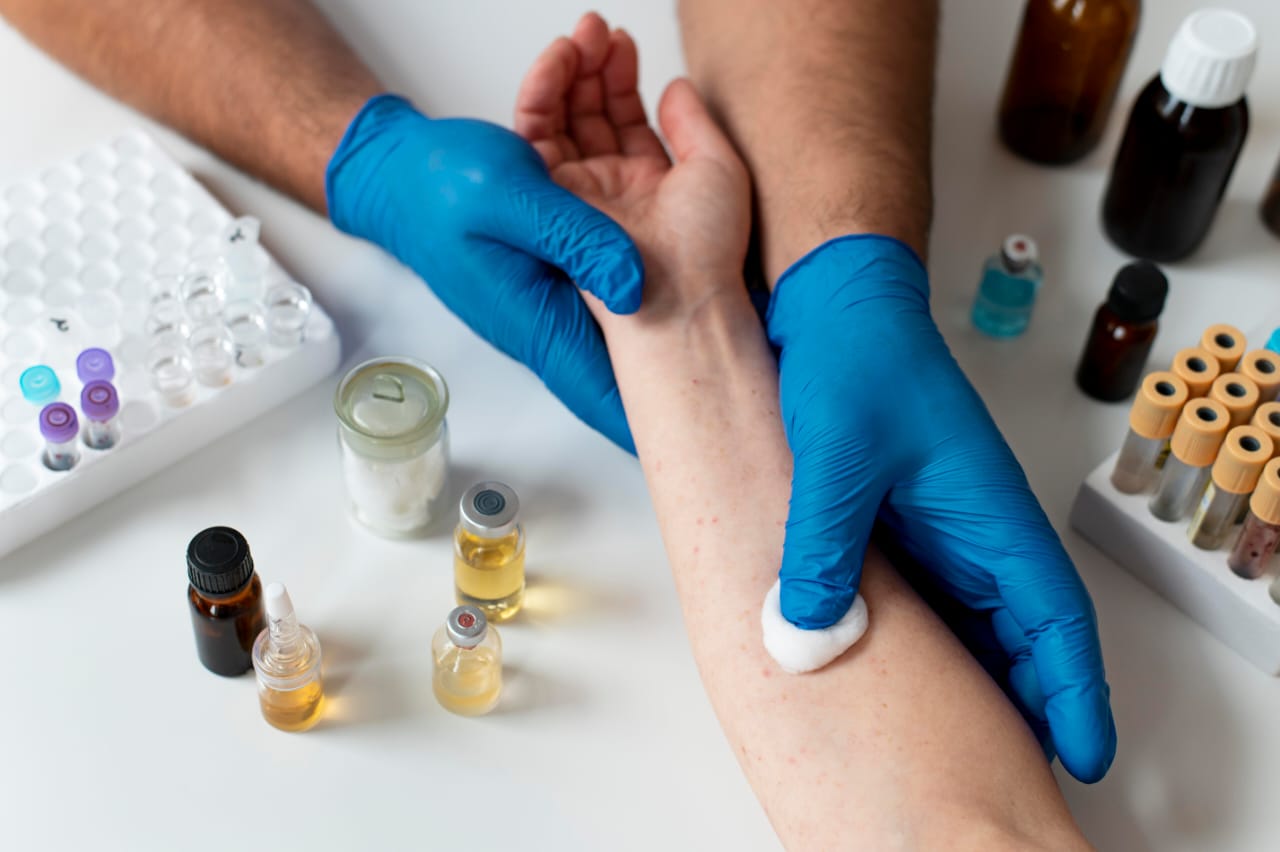
Wound management is a critical aspect of healthcare, pivotal to patient recovery and the prevention of complications. The selection and proper use of wound dressing products are foundational to the healing process, ensuring protection from infection and promotion of tissue repair. In this article, we will explore the essentials of effective wound dressing products, focusing on their types, applications, and key characteristics.
Understanding Wound Types and Selection Criteria
A thorough understanding of the types of wounds is vital before selecting appropriate wound dressing products. Wounds can be acute or chronic, each with distinct characteristics and healing requirements. Acute wounds, such as surgical incisions or cuts, generally heal predictably and rapidly. Conversely, chronic wounds, like ulcers or those caused by diseases, often take longer to heal and might require specialised dressings.
When selecting a wound dressing, several criteria must be considered, including the wound’s size, depth, location, and level of exudate. Dressings must also be evaluated based on their ability to maintain a moist healing environment, manage exudate, allow gas exchange, provide thermal insulation, and protect against secondary infections. Each of these factors contributes to an accelerated healing process.
Types of Wound Dressing Products
There is a broad spectrum of wound dressing products available, each designed for specific wound types and healing stages. Common categories include absorbent dressings, hydrocolloids, foams, alginates, and hydrogels, among others. Each type comes with its unique properties and is utilised based on the wound’s requirements.
Absorbent dressings are ideal for wounds with high levels of exudate, whereas hydrocolloids are used for wounds that require moisture retention. Foam dressings, known for their cushioning effect, are suitable for wounds with mild to heavy exudation, offering the added benefit of patient comfort. Alginate dressings, derived from seaweed, excel in managing wounds with significant exudate and help with haemostasis. Lastly, hydrogel dressings are perfect for dry wounds, as they donate moisture and aid in autolytic debridement.
Advancements in Wound Dressing Technology
Technology plays a significant role in the development of modern wound dressing products. Innovations such as silver-infused antimicrobial dressings and smart dressings with infection-monitoring capabilities are advancing the field of wound care. Such advancements improve healing rates while reducing the risk of infections and other complications.
Applying Wound Dressings Correctly
Effective wound care extends beyond the choice of dressing and encompasses the correct application and frequent assessment by healthcare professionals. Proper application includes cleaning the wound, assessing the surrounding skin, and securely placing the dressing to prevent contamination and disruption.
Furthermore, the assessment of healing progress is critical, requiring regular checking and changing of dressings as needed. This process helps promptly identify any signs of infection or deterioration and allows healthcare professionals to adjust the treatment plan accordingly.
Patient Education and Involvement
Patient education is paramount in wound management. Involving patients in their own wound care encourages adherence to their treatment regimen, which can significantly impact the healing process. It is vital for patients to understand how to maintain the cleanliness of their wounds, manage their dressings at home, and recognise when to seek professional help.
Challenges in Wound Management
Despite advancements in wound dressing products, challenges in wound management remain prevalent. Variables like patient compliance, access to quality supplies, and coordination of care can impede the healing process. Therefore, integrated approaches that incorporate not only dressing technology but also patient education, health policy, and healthcare infrastructure are crucial.
Conclusion
The effective management of wounds is a multifaceted endeavour that requires comprehensive knowledge of wound types, healing stages, and appropriate dressing products. The use of suitable wound dressing products is a cornerstone of successful wound care, but it is merely one component of a broader, holistic approach.
Healthcare professionals must stay abreast of innovations in dressing materials and techniques, while also prioritising patient education and interdisciplinary coordination. Balancing these elements can be challenging, yet it is imperative for the optimal healing of wounds and the betterment of patient outcomes.
In conclusion, mastering wound management involves an in-depth understanding of wound dressing products and their applications. Such expertise, combined with technological advancements, patient engagement, and professional diligence, maximises the efficacy of wound care strategies and promotes the swift and safe healing of wounds.
As we continue to make strides in the realm of wound care, the goal should always be to achieve the most favourable and expeditious recovery for patients. With the appropriate use of advanced wound dressing products and a commitment to best practices in wound management, this is an increasingly attainable outcome.