
Facing bypass surgery can feel scary at first. However, with the right preparation, you can ease your worries and pave the way for a smoother recovery. In this guide, we’ll walk you through each step of the process from pre-surgery tests to recovery tips, so you feel informed and supported.
Ahmedabad itself is a city known for its modern healthcare facilities and compassionate medical professionals, making it a great place to receive world-class care. Whether you’re meeting a renowned Cardiac Surgeon in Ahmedabad or your local specialist, understanding coronary artery bypass grafting (CABG) will help you get ready for this important procedure.
What is a Bypass Surgery?
Coronary artery bypass grafting is a procedure that helps improve blood flow to your heart by creating a new pathway for blood to reach areas that aren’t getting enough oxygen. In simple terms, when the arteries that supply your heart become blocked, the heart muscle may suffer from lack of oxygen, which increases the risk of heart attacks.
Bypass surgery involves taking a healthy blood vessel from another part of your body and using it to bypass the blocked section of your artery. This not only restores the flow of oxygen-rich blood but also helps reduce the risk of serious heart problems.
The surgery becomes necessary when your arteries narrow or become clogged with plaque—a fatty, waxy substance that gradually builds up along the inner walls of the arteries. As the blockage worsens, the heart muscle may not receive the oxygen it needs to function properly, which can lead to tissue damage.
Who Might Need a Bypass?
Typically, bypass surgery is advised for those with advanced coronary heart disease. Patients who need this procedure are often older—on average around 66 years of age—and there tends to be a higher number of men who undergo the surgery.
However, every patient’s situation is unique. A dedicated team of doctors, including cardiologists and surgeons, will carefully review your medical history, test results, and overall health to determine whether bypass surgery is the right option for you.
Preparing for the Surgery
Preparation plays a central role in achieving a successful bypass surgery. It encompasses a range of tests, consultations, and adjustments to your lifestyle. Here’s an overview of what you can expect:
Medical Testing
Before you head into surgery, you will likely undergo a series of tests designed to assess your heart’s function and your overall health. These evaluations are vital to ensuring that you are fit for the procedure. Common tests include:
- Electrocardiogram (ECG or EKG)
- Echocardiogram
- Exercise Stress Test
- Nuclear Cardiac Stress Test
- Cardiac Catheterization
- CT Scan or X-Ray Angiography
- Blood and Urine Tests
Lifestyle Adjustments
A few lifestyle changes before surgery can have a significant impact on your recovery. Consider these tips:
- Smoking can impede healing and worsen heart conditions, so stopping well before your surgery is crucial.
- Focus on a balanced diet that’s low in saturated fats and rich in fruits, vegetables, and whole grains. This can boost your heart health.
- With your doctor’s approval, incorporating gentle exercise into your routine can help condition your body for surgery.
- Techniques such as meditation, deep breathing exercises, or even talking to a counselor can help manage your stress levels in the lead-up to surgery.
What Happens During the Surgery?
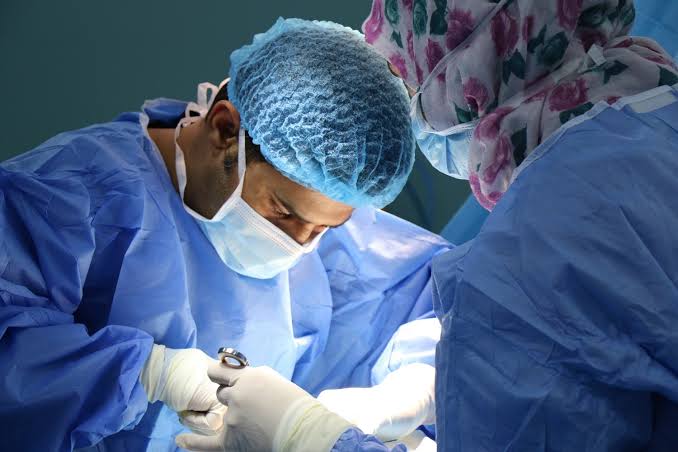
Understanding the procedure can help reduce your fears. During coronary bypass surgery, a team of experienced specialists works together to ensure that your heart regains its proper blood flow. Here’s a breakdown of what you can expect on the day of surgery:
Anesthesia and Life Support
Before the surgery begins, you’ll be given general anesthesia so that you sleep soundly and feel no pain throughout the procedure. Along with anesthesia, several support systems are put in place to keep you safe:
- Intubation and Ventilation: A tube is gently inserted into your windpipe to help manage your breathing. A ventilator then takes over to ensure your oxygen needs are met.
- Intravenous Lines: These lines allow for the efficient delivery of medications and fluids directly into your bloodstream.
- Urinary Catheter: A small tube is placed in your bladder to help drain urine during the operation.
- Heart-Lung Bypass Machine: Often considered the heart of the procedure, this machine temporarily takes over the function of your heart and lungs. It ensures that oxygenated blood continues to circulate throughout your body while the surgeon focuses on repairing your heart.
Blood Vessel Harvesting and Grafting
The success of the surgery relies on finding a healthy blood vessel from another part of your body—commonly your leg, arm, or chest—that will serve as the new pathway for blood flow.
Once the vessel is harvested, it’s carefully attached to your main artery (the aorta) and then connected to the affected coronary artery beyond the blockage. This new connection allows blood to bypass the obstructed area and flow freely to your heart muscle.
If you have more than one blockage, the surgeon might need to perform multiple grafts. Depending on the number of bypasses required, the procedure may be referred to as a single, double, triple, or even quadruple bypass.
After the Surgery: Immediate Care and Recovery
The period immediately following bypass surgery is crucial for your overall recovery. After the operation, you’ll be transferred to the intensive care unit (ICU) where your vital signs are closely monitored. Here’s what you need to know about post-surgery care:
Hospital Stay and Monitoring
Immediately following surgery, you can expect to spend one to two days in the ICU, where specialized staff monitor your heart, breathing, and overall condition. Once you’re stable, you’ll be moved to a regular hospital room, and your total hospital stay may last anywhere from 8 to 12 days—though this can vary based on the complexity of your surgery and your individual recovery.
Pain Management and Medication
It’s normal to experience some discomfort after bypass surgery, particularly at the incision site or when taking deep breaths or coughing. In addition, you’ll be given medications to prevent blood clots and to manage any other heart-related conditions. Following your doctor’s instructions closely during this time is essential, as your medication plan may be adjusted as you heal.
Managing Risks and Potential Complications
Like any major surgery, bypass surgery carries some risks. Though complications are generally rare or manageable, it’s important to be aware of them so you can be prepared. Some potential risks include:
- Irregular Heart Rhythms
- Bleeding
- Infections
- Confusion or Delirium
- Kidney Problems
- Stroke or Heart Attack
Conclusion
Preparing for bypass surgery involves a blend of clear information, careful planning, and thoughtful lifestyle adjustments. From the initial tests and consultations to the day of surgery and the journey of recovery afterward, each step plays a vital role in ensuring a successful outcome. By staying informed, following your doctor’s advice, and making necessary changes in your life, you’re taking an active role in your health and recovery.