
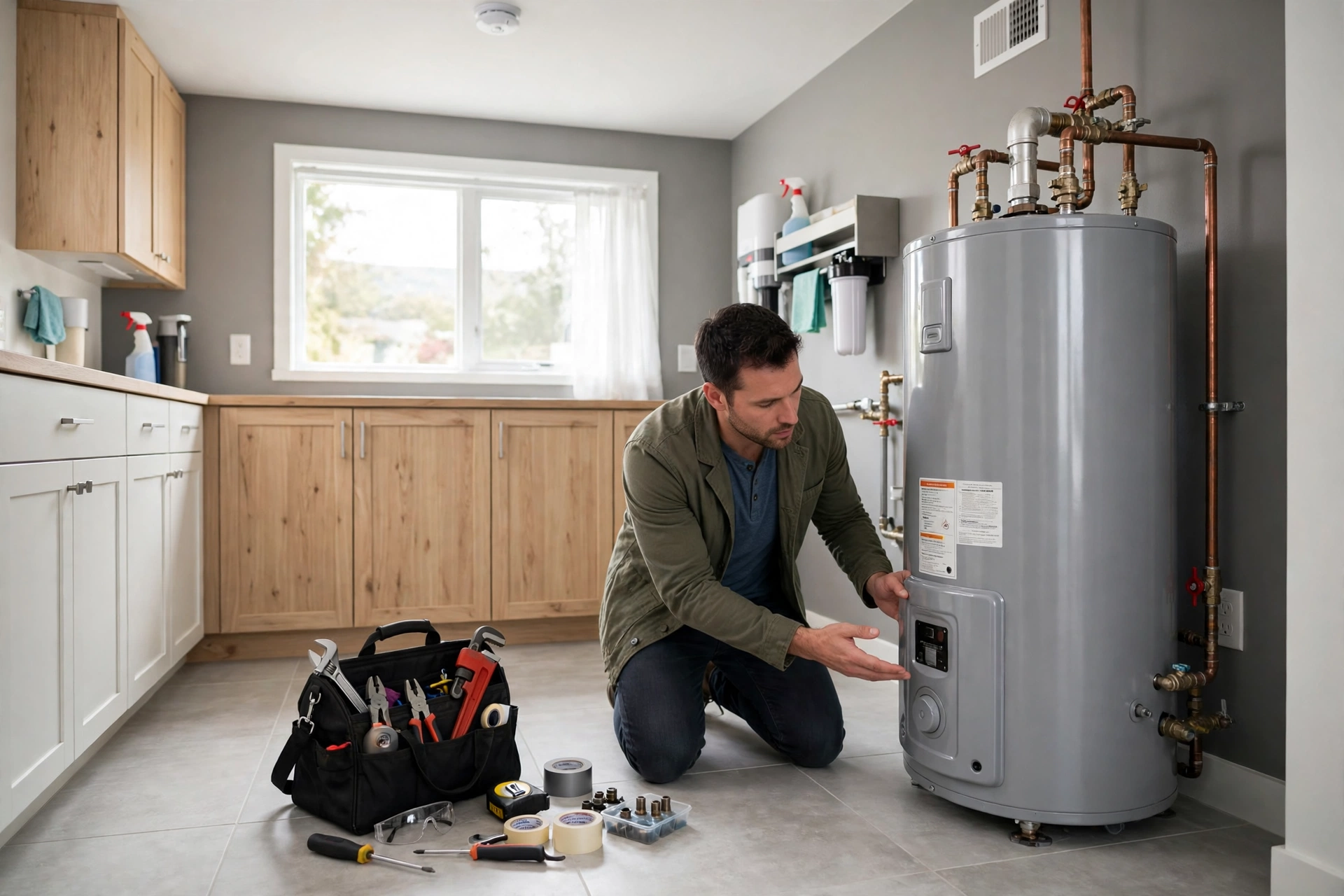
Few things wake you up quite as abruptly as stepping into a shower that turns out to be freezing cold. Once the initial shock wears off, you’re left wondering what’s gone wrong and how you’re going to manage without hot water. Fortunately, a malfunctioning water heater doesn’t necessarily mean you’re facing an expensive replacement. Sometimes, the explanation is relatively straightforward, and knowing what to do in those first few moments can make the situation considerably less stressful.
Step 1: Establish the Extent of the Problem
Before jumping to conclusions about your water heater, check whether you’re experiencing the same issue at other faucets throughout your home. If the kitchen still has plenty of hot water but the shower doesn’t, you could be dealing with a faulty shower valve rather than a wider plumbing problem. However, if every faucet is running cold, your water heater is a more likely culprit. Should the problem persist after a few basic checks, arranging professional San Diego water heater repair can help you get to the bottom of what’s happening without the guesswork that often accompanies DIY repairs.
Step 2: Check the Power Supply
It might sound almost too obvious, but an interruption to the power supply could explain why your water heater has suddenly stopped working. If you have an electric model, check whether the corresponding circuit breaker has tripped. You can reset it once if conditions are safe, but if it trips again, leave it alone and seek professional assistance. With a gas-powered model, consult the manufacturer’s instructions and check for any visible error indicators without interfering with the gas supply or internal components.
Step 3: Look for Signs of Damage
Take a moment to examine the area surrounding your water heater, paying particular attention to pooling water, rust, or signs of corrosion. Unusual noises you’ve noticed recently are also worth mentioning to a technician, particularly if the system has developed a tendency to rumble or pop. If you discover a significant leak, shut off the water and power supplies if it’s safe to do so. Should you smell gas, leave the property immediately and contact your gas provider from outside.
Step 4: Consider Whether You’ve Simply Run Out of Hot Water
Before assuming something has broken, think about how much hot water your household has used recently. Several consecutive showers, a load of laundry, and a dishwasher cycle could easily exhaust the supply in a traditional tank-style system. Give the heater sufficient time to replenish its hot water if there are no signs of damage. If this becomes a regular occurrence, however, your system may no longer be suited to your household’s demands.
Step 5: Decide Whether to Repair or Replace
Nobody wants to spend money replacing an appliance that still has a few good years left in it. Equally, repeatedly repairing an aging water heater can become an expensive habit. A qualified technician can help you weigh the cost of repairs against the system’s age, condition, and energy efficiency.
Losing your hot water is undeniably inconvenient, but approaching the problem methodically can help you avoid unnecessary expenses and rushed decisions. With the right assistance, you can soon get back to enjoying your morning shower without having to brace yourself for an unpleasant surprise.