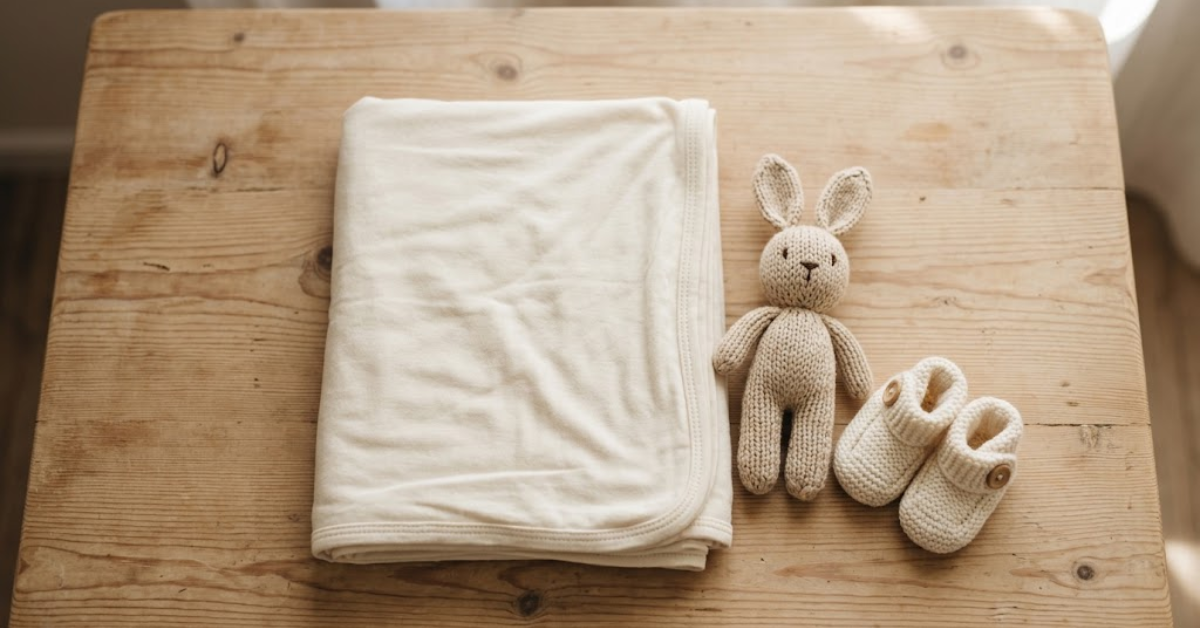
Choosing baby essentials can feel overwhelming, especially when there are countless fabrics, designs, and features available. A bamboo swaddle has become a popular choice among parents looking for a soft, lightweight, and comfortable option for newborns.
When done correctly, swaddling can help a young baby feel secure and cozy. However, not every swaddle is made the same. Fabric quality, size, construction, breathability, and safety features all matter when selecting one.
If you’re planning to buy a bamboo swaddle, here are seven important things to check before making your choice.
Why Choose a Bamboo Swaddle?
Bamboo-based fabrics are often appreciated for their smooth texture and lightweight feel. Depending on how the fabric is manufactured, a bamboo swaddle may offer a soft and breathable experience that is comfortable against delicate baby skin.
A good-quality bamboo swaddle can also be versatile. Apart from swaddling, some designs can be used as lightweight blankets, stroller covers when appropriate, nursing covers, or clean surfaces during baby-care routines.
However, the word “bamboo” alone doesn’t guarantee quality. Checking the product details is essential.
1. Check the Fabric Composition
The first thing to check when buying a bamboo swaddle is exactly what the fabric is made from.
Bamboo textiles can be processed into different types of regenerated fibers, including bamboo viscose and bamboo rayon. Some products may also combine bamboo-based fibers with cotton or other materials.
Instead of relying only on marketing descriptions, look for a clear fiber-content label.
What to look for:
- Clearly stated fabric composition
- Soft, smooth construction
- Appropriate fabric weight
- Reliable product information
- Care instructions provided by the manufacturer
Understanding the composition helps you know what you’re actually purchasing and how the material should be cared for.
2. Check the Softness and Texture
Newborn skin is delicate, so the texture of your bamboo swaddle matters.
A high-quality swaddle should feel smooth and comfortable rather than rough, stiff, or scratchy. Run your hand over the fabric before purchasing when possible. If you’re shopping online, look for detailed product descriptions and customer feedback about texture and softness.
A soft fabric can make swaddling more comfortable, particularly when the material comes into direct contact with your baby’s skin.
Remember that softness alone should not determine your purchase. A very soft fabric still needs to be breathable, appropriately sized, and safely designed.
3. Check Breathability and Fabric Weight
Overheating is an important concern when dressing and swaddling newborns. That’s why fabric weight and breathability deserve careful attention.
A lightweight bamboo swaddle can be a practical choice for warmer weather. However, bamboo fiber does not automatically mean that every product will be lightweight or highly breathable.
Check the actual construction of the fabric.
Consider:
- Is the fabric lightweight?
- Does it allow comfortable airflow?
- Is it suitable for your local climate?
- Will you need additional layers?
- Does the manufacturer provide information about fabric weight?
For cooler weather, parents should focus on appropriate layering rather than simply choosing a thicker swaddle. Avoid excessive layers that could cause overheating.
4. Check the Size
The size of your bamboo swaddle is another important consideration.
A swaddle should provide enough material to wrap your baby securely without leaving excessive loose fabric. At the same time, it should not restrict the baby’s hips or legs.
Many bamboo swaddles are available in different dimensions, so check the manufacturer’s recommended age and size range before buying.
A good swaddle should:
- Be appropriate for your baby’s size
- Allow natural movement of the hips and legs
- Provide a secure but comfortable fit
- Avoid excess loose fabric near the baby’s face
If you’re buying before your baby arrives, choose a size designed specifically for newborn use rather than automatically choosing the largest available blanket.
5. Check the Design and Ease of Use
Not all parents prefer the same swaddling method.
Traditional square or rectangular bamboo swaddle blankets offer flexibility, but they can take some practice to wrap correctly. If you’re new to swaddling, an adjustable or zippered design may feel easier.
Common designs include:
Traditional blanket:
A simple square or rectangular swaddle that can be folded and wrapped manually.
Stretch swaddle:
Designed with some flexibility to make wrapping easier.
Adjustable swaddle:
Uses fasteners or tabs to help create a consistent fit.
Zippered swaddle:
Allows parents to place the baby inside and secure the garment without traditional wrapping.
Choose a design that you can use confidently and consistently. Convenience should support safe use rather than replace it.
6. Check the Stitching, Fasteners, and Overall Construction
A beautiful bamboo swaddle is not necessarily a well-made one. Examine the construction carefully.
If shopping in person, inspect the seams, edges, fasteners, and zippers. If purchasing online, look for close-up product images and detailed descriptions.
Avoid products with:
- Loose or poorly finished threads
- Unreliable fasteners
- Sharp or exposed components
- Easily detachable decorative elements
- Poorly finished seams
Baby products are frequently washed, so strong construction is particularly important. A well-made bamboo swaddle should maintain its basic shape and functionality with appropriate care.
7. Check the Washing and Care Instructions
Newborns can go through several clothing and bedding changes each day. As a result, your bamboo swaddle will likely need frequent washing.
Before purchasing, check whether the product’s care requirements fit your routine.
Look for clear instructions regarding:
- Machine washing
- Water temperature
- Detergent recommendations
- Drying method
- Shrinkage considerations
- Ironing requirements, if any
Always follow the manufacturer’s instructions. Using harsh detergents, excessive heat, or unsuitable washing methods can affect the fabric’s softness and longevity.
It’s also practical to purchase more than one swaddle so that you have a clean option available while another is being washed.
Bamboo Swaddle Safety: What Parents Should Know
Choosing the right fabric is important, but safe swaddling practices are even more important.
When using a bamboo swaddle, always place your baby on their back for sleep. The swaddle should be snug around the upper body without being excessively tight.
The baby’s hips and legs should have enough room to move naturally. Avoid wrapping the baby so tightly around the legs that movement is restricted.
Keep all loose fabric away from the baby’s face and avoid adding unnecessary blankets or layers.
Most importantly, stop traditional arms-in swaddling when your baby begins showing signs of attempting to roll. At that stage, parents should transition to an appropriate sleepwear option and continue following current safe-sleep recommendations.
Bamboo Swaddle vs. Cotton: Which Should You Buy?
Both bamboo and cotton can be excellent options, depending on what you need.
A bamboo swaddle is often chosen for its smooth, soft feel and lightweight comfort. Cotton, especially muslin cotton, is valued for its durability, breathability, and easy maintenance.
Instead of focusing only on the material name, compare:
- Fabric composition
- Weight
- Breathability
- Size
- Construction
- Ease of washing
- Safety features
The right choice is the one that works comfortably for your baby and fits your daily routine.
Final Buying Checklist
Before purchasing a bamboo swaddle, quickly review these seven points:
- Fabric composition – Know what the swaddle is actually made from.
- Softness – Choose a comfortable, baby-friendly texture.
- Breathability – Consider fabric weight and your climate.
- Size – Select an age- and size-appropriate option.
- Design – Choose a wrapping method you can use confidently.
- Construction – Check seams, fasteners, zippers, and finishing.
- Care instructions – Make sure it can fit easily into your laundry routine.
Conclusion
A bamboo swaddle can be a useful and comfortable addition to your newborn essentials, but choosing the right one requires more than simply looking for the word “bamboo” on the label.
Pay attention to fabric composition, softness, breathability, size, design, construction, and care instructions. Most importantly, make sure the swaddle can be used safely and appropriately for your baby’s developmental stage.
A thoughtful purchase can give you a soft and practical baby essential that works well during those early months. Whether you choose a traditional wrap or a convenient adjustable design, prioritize comfort, quality, and safe swaddling practices over appearance alone.
FAQs
1. Is a bamboo swaddle good for newborns?
Yes, a properly designed bamboo swaddle can be a comfortable choice for newborns. Look for an appropriately sized, breathable product and always follow safe-swaddling practices.
2. What should I look for in a bamboo swaddle?
Check the fabric composition, softness, breathability, size, design, construction quality, and washing instructions before buying a bamboo swaddle.
3. Is bamboo better than cotton for baby swaddles?
Neither is universally better. A bamboo swaddle may offer a particularly soft and lightweight feel, while cotton is known for durability and easy care. Your baby’s comfort and the fabric’s construction should guide your choice.
4. Can I use a bamboo swaddle in hot weather?
A lightweight bamboo swaddle can be suitable for warmer weather. However, always consider the room temperature, baby’s clothing, fabric weight, and number of layers to reduce the risk of overheating.
5. How many bamboo swaddles should I buy?
Having around three to five bamboo swaddles can be practical for everyday use. This gives you spare options when another swaddle is being washed or needs to be changed.
6. How do I wash a bamboo swaddle?
Always follow the manufacturer’s care label. Depending on the specific fabric, gentle washing and appropriate drying methods may help maintain the softness and shape of your bamboo swaddle.
7. When should I stop using a bamboo swaddle?
Traditional arms-in swaddling should be stopped when your baby shows signs of attempting to roll. At that point, transition to an appropriate sleepwear option and follow current safe-sleep recommendations.
8. Can a bamboo swaddle be used for purposes other than swaddling?
Yes. Depending on its size and design, a bamboo swaddle blanket may also be useful as a lightweight baby blanket, nursing cover, or clean surface during supervised baby-care activities. Always use it according to the specific situation and safety requirements.