
In today’s fast-paced digital world, a reliable and efficient office network is no longer a luxury—it’s a necessity. For small businesses, a robust network infrastructure is the backbone of daily operations, supporting everything from communication and data transfer to customer relationship management. However, many small businesses overlook a critical component of their network: structured data cabling.
An unorganized and messy network closet, often referred to as a “spaghetti junction” of cables, is a common sight in many small offices. While it might seem like a minor issue, a disorganized cabling system can lead to a host of problems, including frequent downtime, slower network speeds, and increased maintenance costs. This is where structured data cabling comes in.
What is Structured Data Cabling?
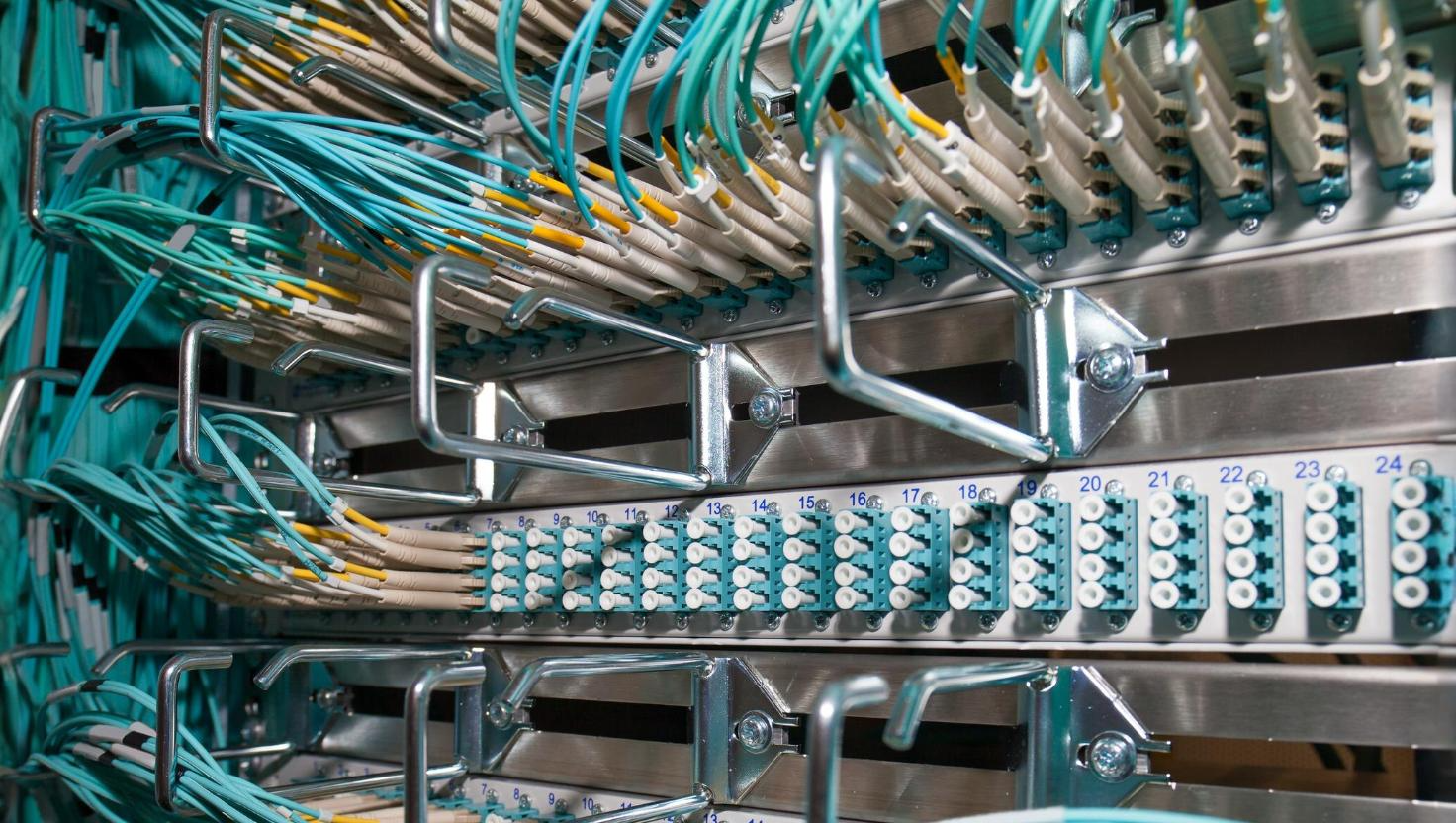
Structured data cabling is a standardized approach to organizing and installing a network’s physical infrastructure. It involves creating a comprehensive and organized system of cables, connectors, and related hardware that supports a company’s data, voice, and video needs. Unlike the ad-hoc, point-to-point cabling methods often used in smaller setups, a structured system is designed for scalability, flexibility, and long-term performance.
A structured cabling system is composed of several subsystems, including entrance facilities, equipment rooms, backbone cabling, horizontal cabling, telecommunications rooms, and work-area components. Each subsystem has its own specific function, and together they create a cohesive and manageable network infrastructure.
The Perils of a Disorganized Network
A messy and disorganized network may not seem like a pressing issue, but it can have a significant impact on a small business’s bottom line. Here are some of the most common problems associated with a poorly cabled network:
Increased Downtime
When cables are tangled and unlabeled, troubleshooting network issues becomes a nightmare. Technicians have to spend valuable time tracing cables and identifying connections, which can lead to extended periods of downtime. For a small business, every minute of downtime translates to lost productivity and revenue.
Reduced Network Performance
A disorganized cabling system can also lead to signal interference and degradation, resulting in slower network speeds and unreliable connections. This can be particularly frustrating for employees who rely on a fast and stable network to perform their daily tasks. In a competitive business environment, a slow network can be a major handicap.
Scalability Challenges
As a small business grows, its network needs will inevitably change. Adding new employees, devices, or applications to a disorganized network can be a complex and time-consuming process. A structured cabling system, on the other hand, is designed for scalability, making it easy to add, move, or change connections as needed.
Higher Maintenance Costs
While it may seem counterintuitive, a disorganized cabling system can actually be more expensive to maintain in the long run. The time and effort required to troubleshoot and manage a messy network can add up quickly, leading to higher labor costs. Furthermore, the risk of accidental disconnections and cable damage is much higher in a disorganized environment.
The Benefits of Structured Data Cabling
Investing in structured data cabling may seem like an unnecessary expense for a small business, but the long-term benefits far outweigh the initial costs. Here are some of the key advantages of implementing a structured cabling system:
Enhanced Performance and Reliability
A structured cabling system is designed to provide optimal performance and reliability. By using high-quality cables and components and following industry best practices, a structured system minimizes signal interference and ensures a stable and consistent network connection. This translates to faster data transfer speeds, clearer voice calls, and a more reliable network overall.
Simplified Management and Maintenance
One of the biggest advantages of structured cabling is its simplicity. With a well-organized and labeled system, network administrators can easily identify and troubleshoot issues, reducing downtime and maintenance costs. The modular design of a structured system also makes it easy to add, move, or change connections without disrupting the entire network.
Improved Scalability and Flexibility
A structured cabling system is a long-term investment that can grow with your business. The modular design allows for easy expansion and upgrades, so you can add new technologies and applications as your needs evolve. Whether you’re adding a new server, expanding your office space, or upgrading to a faster network standard, a structured system can accommodate your changing requirements.
Increased ROI
While the initial investment in structured cabling may be higher than a traditional point-to-point system, the long-term return on investment is significant. By reducing downtime, improving productivity, and lowering maintenance costs, a structured cabling system can help a small business save money and operate more efficiently. For businesses in competitive markets, such as those looking for data cabling services for small business in Indianapolis IN, a well-designed cabling infrastructure can provide a significant competitive advantage.
Finding the Right Partner for Your Cabling Needs
Implementing a structured data cabling system requires specialized knowledge and expertise. It’s important to partner with a reputable and experienced IT services provider that can design and install a system that meets your specific needs. A qualified provider will conduct a thorough assessment of your current infrastructure, discuss your future goals, and recommend a solution that is both cost-effective and scalable.
For businesses in New York City, there are many options for IT support and network installation. Companies like New York Computer Help offer a wide range of services, from network design and installation to ongoing maintenance and support. When choosing a provider, be sure to check their credentials, ask for references, and review their portfolio of past projects.
Conclusion
In today’s digital age, a reliable and efficient network is essential for the success of any small business. While it may be tempting to cut corners on your network infrastructure, a disorganized and messy cabling system can lead to a host of problems, including increased downtime, reduced performance, and higher maintenance costs. By investing in a structured data cabling system, small businesses can create a robust and scalable network that will support their growth and success for years to come.