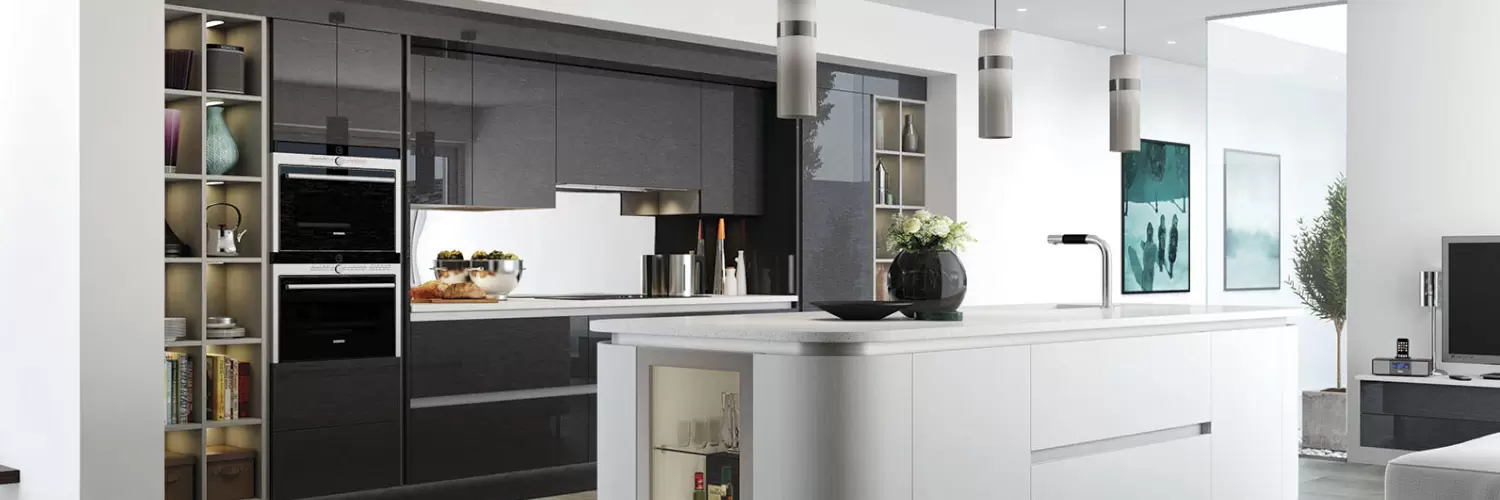
When it comes to home renovations, kitchen painting plays a pivotal role in transforming the aesthetic appeal of your home. A fresh coat of paint can significantly alter the look and feel of a kitchen, creating a vibrant space for cooking, dining, and socialising. This article delves into the nuances of kitchen spray painting and explains why it is an integral part of modern home remodelling.
Understanding Kitchen Spray Painting
Kitchen spray painting is a technique used to apply paint to kitchen surfaces, including cabinets, walls, and even appliances. This method is preferred for its efficiency and ability to give a smooth, consistent finish without the brush strokes common to traditional painting techniques. Spray painting ensures that every nook and cranny is covered, providing a more durable and aesthetically pleasing outcome.
Benefits of Spray Painting in Kitchens
One of the primary advantages of spray painting in the kitchen is the quality of the finish. Spray painting delivers a level of smoothness and gloss that is difficult to achieve with brushes or rollers. This uniformity and finish result in an attractive, professional look that enhances the overall design of the kitchen.
Moreover, spray painting is notably quicker than manual painting. The process allows homeowners to enjoy their newly refurbished kitchens sooner, with less downtime and inconvenience.
Durability and Resistance
Spray-painted surfaces are known for their durability and resistance to moisture, heat, and stains. This resilience makes it a particularly good choice for kitchens, where surfaces frequently come into contact with spills, steam, and varying temperatures.
Cost-Effectiveness
While some might assume that spray painting is more expensive than traditional methods, it often proves to be cost-effective in the long run. The high-quality finish reduces the need for frequent touch-ups and repainting, saving homeowners money over time.
Choosing the Right Paint
In spray painting, the choice of paint is critical. Specialised kitchen paints are designed to withstand the specific conditions of a kitchen environment, such as humidity and heat. Opting for high-quality, durable, and non-toxic paints can ensure both safety and longevity of the finish.
Environmental Considerations
When selecting materials and paints, it is important to consider their environmental impact. Many modern kitchen paints are formulated to be low in volatile organic compounds (VOCs), which minimizes their harm to both health and the environment.
Hiring Professional Services
For the best results, hiring professional spray painting services is recommended. Experts in kitchen spray painting have the experience and equipment to ensure flawless execution, leading to a stunning and durable finish.
DIY Spray Painting Precautions
For those choosing to undertake kitchen spray painting themselves, certain precautions must be taken to achieve a satisfactory outcome. Ensuring adequate ventilation, using appropriate safety gear like masks and gloves, and preparing the surfaces thoroughly can help mitigate the risks involved with DIY projects.
Preparation and Application Techniques
Proper preparation of surfaces is crucial in spray painting. This involves cleaning, sanding, and potentially priming the surfaces to ensure the paint adheres properly. Likewise, understanding the correct application technique, including the right distance from which to spray and the appropriate pressure settings, is vital for a smooth finish.
Maintenance and Care
Once the kitchen is spray-painted, proper maintenance is essential to preserve the finish. Regular cleaning with non-abrasive materials and avoiding harsh chemicals will keep the painted surfaces looking fresh and vibrant for years.
Trends in Kitchen Spray Painting
Modern trends in kitchen painting involve bold colours and finishes that add character and individuality to cooking spaces. Matte finishes, vibrant hues, and even metallic tones are gaining popularity, offering homeowners numerous options to personalise their kitchens.
Embracing Colour Theory
Understanding colour theory can greatly enhance the outcome of a kitchen painting project. Neutral tones can create a calm, serene environment, while bolder colours can add energy and creativity to the space.
The Role of Lighting
Lighting significantly affects the perception of paint colours. When planning for kitchen painting, it is essential to consider how natural and artificial light will interact with the selected paint colours at different times of the day.
Conclusion
In conclusion, kitchen spray painting is a transformative technique that provides a high-quality, aesthetically pleasing, and durable finish to kitchen surfaces. Whether opting for professional services or a DIY approach, understanding the nuances of spray painting can help achieve the desired transformation efficiently.