Homes nestled beneath thick tree canopies offer shade, privacy, and a deep connection to nature, but they also introduce a unique set of roofing challenges that demand thoughtful attention. Leaves, branches, moisture, and limited sunlight can all affect how a roof performs over time, often accelerating wear in ways that may not be immediately visible.
These conditions require homeowners to think beyond basic roofing choices and consider long-term durability, maintenance demands, and environmental factors. A roof in such an environment must balance protection, resilience, and adaptability while maintaining structural integrity and aesthetic appeal throughout the changing seasons.
Key Challenges Under Tree Cover
- Moisture Retention and Its Effect on Roofing Materials
One of the most persistent concerns for homes surrounded by dense trees is prolonged moisture exposure. Shade from overhead branches limits sunlight, which normally helps dry roofing surfaces after rainfall. As a result, water can linger on shingles, encouraging the growth of moss, algae, and lichen. These organisms not only discolor the roof but also gradually break down materials, weakening their protective properties. Over time, shingles may curl, crack, or lose granules faster than expected. Moisture can also seep into small gaps, potentially leading to leaks and internal damage.
The presence of damp debris, such as fallen leaves, worsens this issue by trapping water against the surface. Homeowners in such environments often need to prioritize roofing materials that resist moisture absorption and allow effective drainage, and ensure consistent airflow to minimize damp conditions that can silently compromise the roof’s lifespan.
- Debris Accumulation and Structural Strain
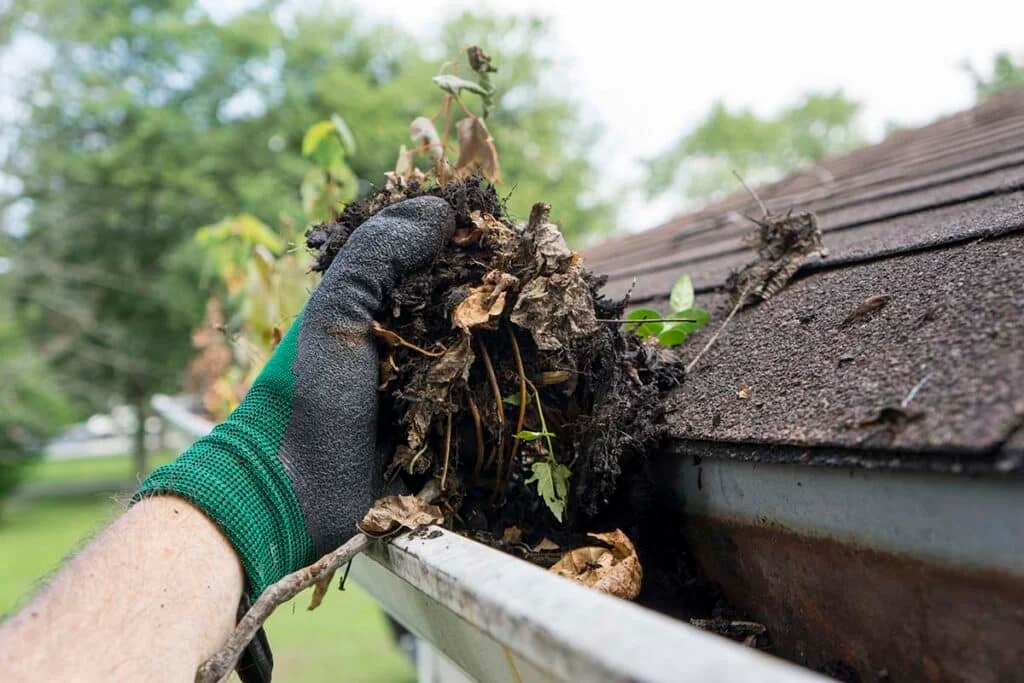
Falling leaves, twigs, and small branches are constant in areas with heavy tree coverage, and their accumulation can create unexpected stress on a roof. Debris tends to collect in valleys, gutters, and low-slope areas, creating blockages that impede proper drainage. When water cannot flow freely, it pools, increasing the load and placing additional strain on the roofing structure. This can eventually lead to sagging or even localized structural damage if left unaddressed. Additionally, clogged gutters can cause water to back up under shingles, creating pathways for leaks.
Regular debris clearing is essential, yet the maintenance frequency in such environments can be demanding. In situations where homeowners seek guidance tailored to these challenges, Superior Roofing near Windham can serve as a reference point for understanding how local conditions influence roofing decisions and upkeep strategies.
- Impact of Falling Branches and Physical Damage
Dense tree cover increases the likelihood of branches falling onto the roof, especially during storms or periods of strong wind. Even small branches can cause damage over time, particularly if they strike repeatedly or scrape against the surface. Larger limbs pose a more serious risk, capable of cracking shingles, puncturing roofing layers, or damaging underlying structures. Overhanging branches that remain in constant contact with the roof can also wear down protective coatings through friction.
This type of physical damage may not always be immediately visible, making routine inspections important for identifying hidden issues. Preventive measures, such as trimming branches away from the roofline, can significantly reduce these risks. However, maintaining a safe distance between trees and roofing structures requires ongoing attention, as trees continue to grow and shift in response to environmental conditions.
- Ventilation and Airflow Limitations
Adequate ventilation plays a critical role in maintaining a roof’s health, yet dense tree coverage can interfere with natural airflow around the home. Without sufficient ventilation, heat and moisture can become trapped in the attic, leading to condensation that affects both the roof and the interior structure. This trapped moisture may contribute to mold growth, wood rot, and insulation deterioration, all of which can compromise the home’s overall efficiency and safety.
In shaded environments, where drying conditions are already limited, proper ventilation becomes even more essential. Roofing systems must be designed to promote consistent airflow, allowing warm, moist air to escape while drawing in cooler, drier air from outside. This balance helps regulate temperature and prevents the buildup of conditions that can accelerate roofing deterioration in tree-covered settings.
- Material Selection for Shaded Environments
Choosing the right roofing material is particularly important for homes surrounded by dense trees, as not all materials respond equally to shade and moisture. Some roofing options are more resistant to algae growth and moisture retention, making them better suited for environments with limited sunlight. Materials that incorporate protective coatings or treatments can help reduce the impact of organic growth, preserving both appearance and function over time. Durability is another key factor, as the roof must withstand not only environmental conditions but also the potential impact of falling debris.
Heavier materials may offer increased resistance to physical damage, though they must be supported by a structure capable of bearing additional weight. Balancing these considerations requires careful evaluation of both environmental conditions and structural capacity, ensuring that the chosen material aligns with the unique demands of a tree-covered setting.
- Gutter Systems and Water Management Strategies
Effective water management is essential for any roof, but it becomes especially critical in areas with dense tree coverage. Gutters and downspouts must be designed to handle not only water but also the constant influx of organic debris. Systems that include guards or covers can help reduce clogging, though they still require periodic cleaning to maintain functionality. Properly directing water away from the roof and foundation helps prevent issues such as erosion, basement leaks, and structural weakening.
Additionally, ensuring that gutters are securely attached and properly aligned minimizes the risk of overflow during heavy rainfall. In tree-heavy environments, even small inefficiencies in water management can lead to larger problems over time, making it important to address these systems as an integral part of the overall roofing strategy.
Living among dense trees offers undeniable beauty and comfort, yet it also requires a deeper level of attention when it comes to roofing. The interplay between shade, moisture, debris, and physical impact creates a complex environment that can accelerate wear if not managed carefully. By understanding these challenges and making informed decisions about materials, ventilation, and maintenance practices, homeowners can protect their roofs from unnecessary damage.
A thoughtful approach not only preserves the structure but also enhances the home’s longevity. With consistent care and awareness, it is possible to enjoy the benefits of a tree-covered setting while maintaining a roof that remains strong, reliable, and able to withstand its unique surroundings.