
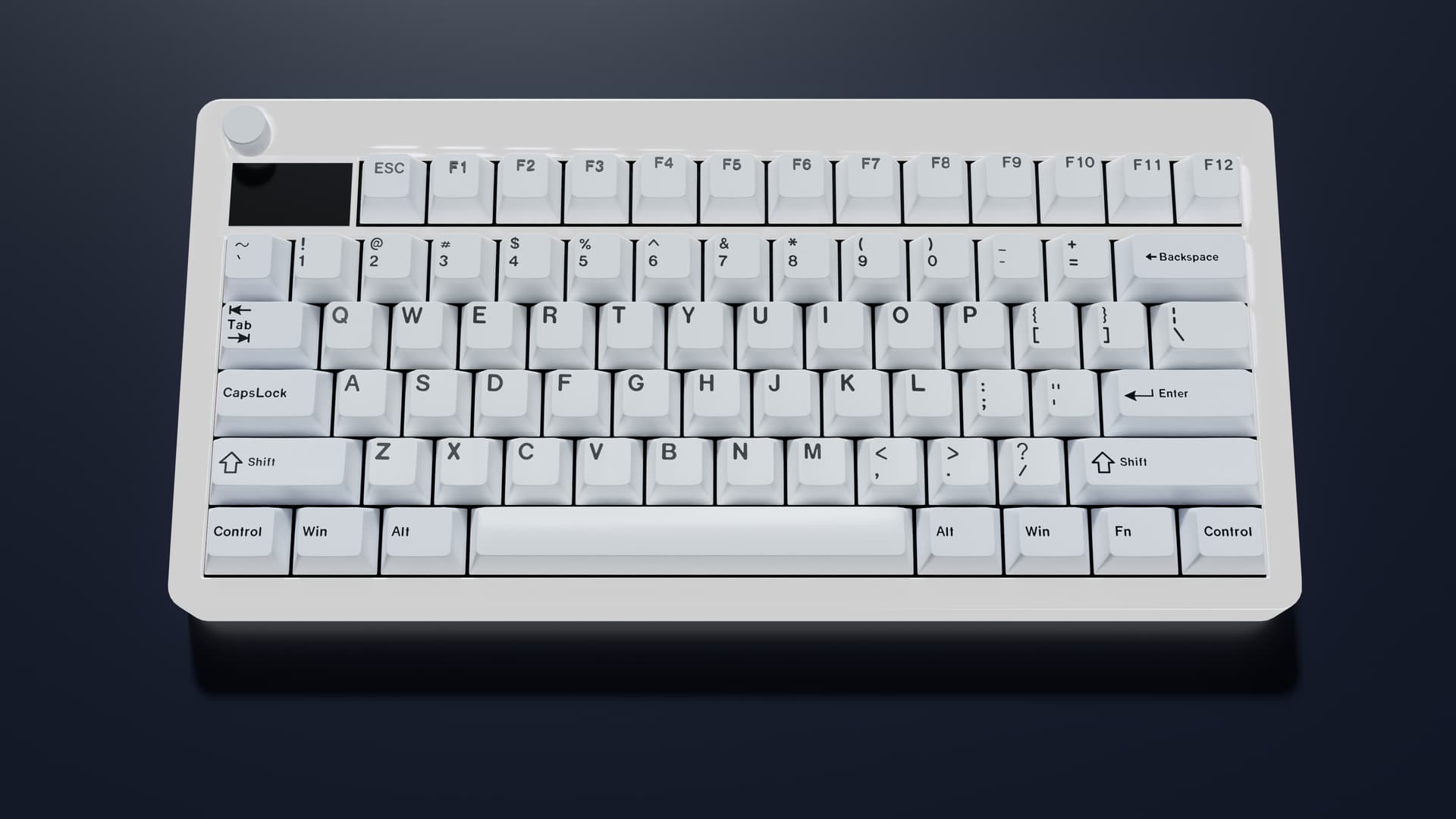
The world of custom mechanical keyboard design has gained a massive following among technology enthusiasts and typists alike. This trend is driven by the desire to move away from generic, mass-produced keyboards and towards devices that offer personalized aesthetics, improved functionality, and a unique typing experience.
Understanding the Basics
Before embarking on the journey to build a custom mechanical keyboard, one must understand the basic components involved. These include the case, PCB (Printed Circuit Board), switches, stabilizers, keycaps, and the plate. Each component can significantly affect the keyboard’s feel, sound, and appearance.
Selecting the Right Case
The keyboard case is more than just a container for other components; it contributes to the keyboard’s overall aesthetic and sound profile. Cases are available in various materials, such as plastic, aluminium, and acrylic, each offering different tactile and acoustic properties.
Choosing the PCB
The PCB is the backbone of any keyboard. It connects the switches to the computer and enables key functionality. When choosing a PCB, consider factors such as layout compatibility, programmability, and RGB lighting compatibility.
Switch Decisions: Tactile, Clicky, or Linear
Perhaps the most critical choice in building a custom mechanical keyboard is selecting the switches. Switch types include tactile, clicky, and linear, each offering unique typing sensations. For instance, tactile switches provide feedback without noise, clicky switches offer both feedback and audible clicks, while linear switches allow for smooth keystrokes.
The Importance of Stabilizers
Stabilizers are essential for ensuring the larger keys like the spacebar, enter, and shift keys function smoothly. Quality stabilizers prevent rattling and ensure consistent keypresses, enhancing the overall typing experience.
Choosing the Right Plate
The keyboard plate defines the structure and rigidity of the build. Plates are available in materials such as brass, aluminium, and polycarbonate, each contributing to the keyboard’s sound and feel differently. A firmer plate can offer more durability, while softer ones may enhance acoustics.
Keycap Customisation
Keycaps are the most visible part of the keyboard and offer another area for personalization. They come in various materials, profiles, and colours, allowing users to tailor the aesthetic to their liking. Popular materials include PBT and ABS, with PBT offering more durability.
Sound Dampening Techniques
For those keen on achieving the perfect sound profile, several sound dampening techniques can be employed. These include using foam layers within the case, mats beneath the PCB, or switch dampeners, all contributing to a quieter typing experience.
Assembly Process
Once all components are chosen, the assembly begins. This involves soldering switches onto the PCB, installing stabilizers, and securing the plate into the case. Careful assembly ensures that the keyboard performs optimally and lasts longer.
Programming Your Keyboard
Many custom mechanical keyboards allow for programming via customised firmware. This enables users to set up macros, remap keys, or create unique lighting patterns, enhancing both functionality and visual appeal.
Testing and Troubleshooting
After assembly and programming, testing the keyboard is crucial to identify any issues or defects. Troubleshooting may involve checking the soldering quality, ensuring firmware settings are correct, and verifying that all switches and keys function properly.
Personalising Lighting
For users who appreciate visual flair, RGB lighting is a must. Custom mechanical keyboards can be adorned with underglow or per-key RGB setups, each programmable to create stunning light displays.
Maintaining Your Keyboard
Maintaining a custom mechanical keyboard involves regular cleaning and occasional part replacements. This ensures the keyboard remains in top condition and continues to deliver an excellent typing experience.
The Benefits of Customisation
Building a custom mechanical keyboard offers unparalleled satisfaction and a unique typing experience. The customisation options allow for a keyboard tailored both aesthetically and functionally to the user’s preferences.
Conclusion
Building the ultimate custom mechanical keyboard is a rewarding endeavour, offering users a chance to create a truly bespoke typing instrument. With a variety of components and customisation options, enthusiasts can craft a keyboard that perfectly aligns with their individual tastes and requirements.


