
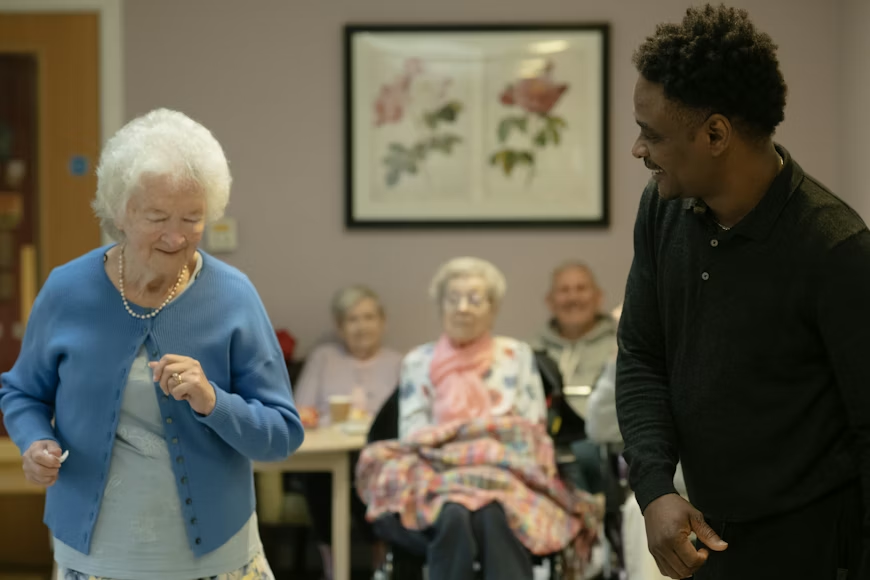
Having a conversation with your older relative can sometimes seem futile. Your questions are met with vague answers or accusative stares. A simple “I’m fine” can be ambiguous. And you find yourself having to play a super sleuth to find out what “I’m fine” really means.
Understanding the difference between supervision and hands-on care can be useful in these circumstances. They’re not the same thing, and knowing which one your elderly loved one needs (and when) can make life safer. Smoother. A lot less stressful for everyone involved.
Care Isn’t Generalized
Aging in place may appear simple. Complications arise with the level of support required.
Johns Hopkins experts emphasize that staying safe at home requires a mix of environmental adjustments and personal support. Particularly important if mobility, memory, or health needs change.
Care isn’t all-or-nothing. It’s layered. And those layers? They start with supervision and build toward hands-on help.
What Is Supervised Care?
Supervision is not sitting in a chair scrolling your phone while your parent watches TV. It entails awareness and prevention.
Supervision means actively ensuring safety by:
- Monitoring behavior and routines
- Noticing subtle changes (confusion, fatigue, imbalance)
- Offering reminders or guidance
- Stepping in before something goes wrong
The model is a structured form of support designed to reduce risks while still preserving independence.
Supervision Can Be Digital, Too
Technology has entered the chat, and this time it’s helpful. Digital supervision tools can:
- Track movement patterns
- Detect falls or unusual inactivity
- Alert caregivers in real time
These tools provide a safety net without being intrusive, allowing seniors to maintain dignity while families stay informed.
When Supervision Is the Right Fit
Supervision works best when your loved one:
- Is mostly independent
- Has mild cognitive decline or forgetfulness
- Needs reminders rather than physical help
- Is at risk of occasional unsafe decisions
Think of it as a safety buffer, not a takeover.
In-Home Companion Care: The Middle Ground
If supervision and hands-on care had a middle child, it would be companion care services. This care method blends:
- Social interaction
- Light household help
- Supervision and reminders
It’s ideal for seniors who don’t need intensive physical care and feel isolated or lonely. The emotional impact is huge. A friendly face and regular conversation can be as valuable as physical assistance. Read https://www.stayathomehc.com/companion-care-services/ to find out more.
What Is Hands-On Care?
Now we move into the more visible form of caregiving.
Direct Help With Daily Life
Hands-on care involves physically assisting with:
- Bathing, grooming, and dressing
- Meal preparation and feeding
- Mobility and transfers
- Medication support
It’s the kind of care you can’t outsource to a reminder or a sensor.
Why Hands-On Care?
As people age, physical and cognitive challenges can make daily activities harder and unsafe.
Findings published in the National Library of Medicine spotlight how personalized, hands-on support plays a key role in maintaining positive outcomes in older adults.
In short, when independence decreases, hands-on care steps in to fill the gap.
When It’s Time for Hands-On Help
Hands-on care becomes necessary when your loved one:
- Struggles with basic daily tasks
- Has balance or mobility issues
- Is recovering from illness or surgery
- Needs consistent physical assistance
This is where care moves from “watching” to “doing.”
Supervision Behind the Scenes
Supervision also happens at the caregiver level. Organizations that provide care include clinical supervision to:
- Guide caregivers
- Ensure care quality
- Adjust care plans as needs evolve
Strong supervision systems improve outcomes and create consistency in care delivery. It’s not about who is helping your parent; it’s about how well they’re supported, too.
Safety, Independence, and Peace of Mind
At the heart of all this? Safety.
Supervision-focused care models prioritize fall prevention and health monitoring. Meanwhile, hands-on care ensures your loved one can navigate daily life comfortably and confidently.
Don’t think of it as a competition but rather as a collaboration.
Blending Both Approaches
Most families don’t pick one type of care and stick with it forever.
Instead, they start with light supervision and add senior companion care for support and socialization. Hands-on care is introduced as needs increase.
Supervision keeps your loved one safe. Hands-on care helps them function day-to-day. Together, they support independence and dignity.
And really, that’s the goal: helping your parent stay in their home. Feel like themselves. Get the right support, whether that’s companion care for seniors or hands-on supervision, without overdoing it or underestimating their needs.
Because “I’m fine” should mean exactly that. No ambiguity intended.