
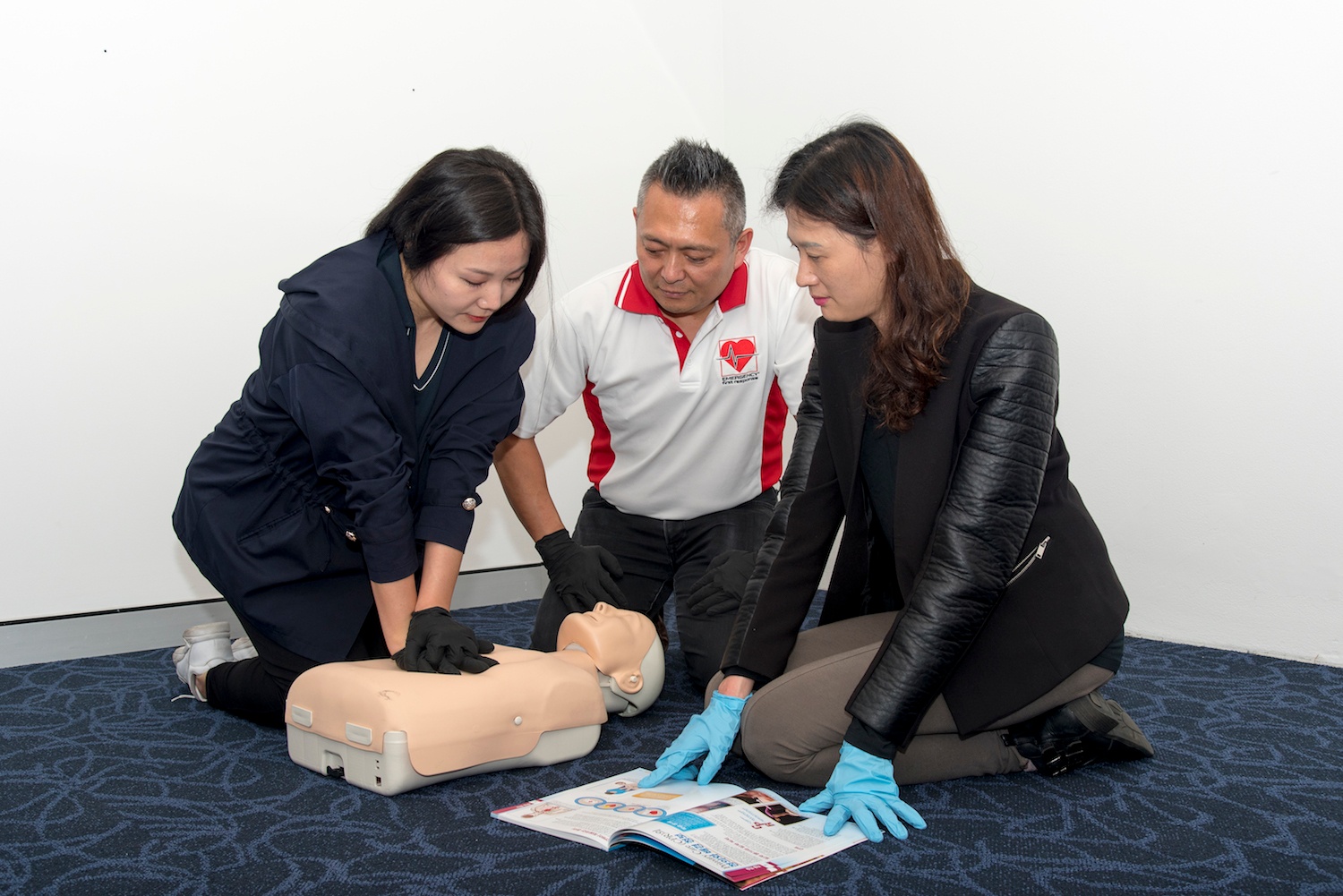
First aid certification programs are designed to equip individuals with the knowledge and skills necessary to respond effectively in emergency situations. While theoretical understanding is essential, the ability to apply that knowledge in real-life scenarios is what truly makes a difference during critical moments. Hands-on practice bridges the gap between learning and doing, allowing participants to build confidence, develop muscle memory, and react appropriately under pressure. This practical component ensures that when emergencies arise, certified individuals are not only prepared in theory but are also capable of delivering timely and effective assistance that can save lives.
What to expect from hands-on first aid training
Building confidence through real-world scenarios
Hands-on practice in first aid certification programs is crucial for building the confidence needed to act decisively during emergencies. When individuals participate in simulated scenarios, they are exposed to the types of situations they may encounter outside the classroom. This exposure helps reduce hesitation and uncertainty, which are common barriers to effective intervention. By practicing skills such as bandaging wounds, performing chest compressions, or using an automated external defibrillator, participants become familiar with the physical actions required. This familiarity translates into greater self-assurance, enabling them to respond quickly and correctly when faced with real-life emergencies. Confidence gained through hands-on experience is not just about knowing what to do; it is about trusting oneself to do it under pressure. This trust is built through repeated practice, feedback from instructors, and the opportunity to learn from mistakes in a controlled environment. As a result, individuals who have undergone practical training are more likely to step forward and provide assistance when it matters most, making a tangible difference in the outcomes of emergency situations.
Enhancing skill retention and muscle memory
One of the most significant benefits of hands-on practice in first aid certification programs is the enhancement of skill retention and the development of muscle memory. Theoretical knowledge alone is often insufficient when quick, decisive action is required. Through repeated physical practice, participants internalize the steps involved in life-saving procedures, making their responses more automatic and less prone to error. For example, performing chest compressions or rescue breaths multiple times during training helps ensure that these actions become second nature. This is particularly important in high-stress situations, where adrenaline and anxiety can impair cognitive function. By embedding these skills through hands-on repetition, individuals are better prepared to act swiftly and accurately. For those seeking CPR Certification Edmonton, hands-on training is a vital component that ensures participants are not only knowledgeable but also capable of performing critical interventions with confidence and precision.
Immediate feedback and error correction
A key advantage of hands-on practice in first aid certification programs is the opportunity for immediate feedback and error correction. During practical sessions, instructors can observe participants as they perform various first aid techniques and provide real-time guidance. This direct feedback allows learners to identify and correct mistakes on the spot, reinforcing proper technique and preventing the formation of bad habits. For instance, if a participant is not applying enough pressure during chest compressions or is incorrectly positioning a bandage, the instructor can intervene and demonstrate the correct method. This process of practice, feedback, and adjustment is essential for mastering first aid skills. It also helps participants understand the nuances of each procedure, such as the appropriate depth and rate of compressions or the correct way to assess a casualty’s condition. By receiving constructive criticism and encouragement, learners are more likely to retain information and perform effectively in real emergencies. The supportive environment of hands-on training fosters a sense of accountability and motivates individuals to strive for accuracy and competence in their first aid abilities.
Bridging the gap between theory and practice
Hands-on practice serves as the critical link between theoretical knowledge and practical application in first aid certification programs. While classroom instruction provides the foundational understanding of first aid principles, it is through practical exercises that participants learn how to implement these concepts in real-world situations. This experiential learning approach enables individuals to translate abstract information into concrete actions. For example, understanding the signs of a heart attack is important, but knowing how to position a casualty, call for help, and administer appropriate care requires hands-on experience. Practical training also exposes participants to the unpredictability of emergencies, teaching them to adapt and problem-solve under pressure. By simulating various scenarios, such as choking, bleeding, or unconsciousness, learners develop the ability to assess situations quickly and choose the most effective interventions. This adaptability is essential for providing effective first aid, as no two emergencies are exactly alike. The integration of theory and practice ensures that certified individuals are not only knowledgeable but also capable of delivering timely and appropriate care when it is needed most.
The role of hands-on practice in teamwork
First aid situations often require coordinated efforts among multiple responders. Hands-on practice in certification programs provides an opportunity for participants to develop and refine their teamwork skills. During practical exercises, individuals learn how to communicate effectively, delegate tasks, and support one another in high-pressure environments. This collaborative approach is essential for managing complex emergencies, where time is of the essence and clear communication can make a significant difference in outcomes. By working together in simulated scenarios, participants gain a better understanding of their roles and responsibilities within a team. They also learn how to anticipate the needs of others, provide assistance, and maintain composure when faced with challenging situations. The ability to function as part of a cohesive team is a valuable skill that enhances the overall effectiveness of first aid interventions. Hands-on training not only improves individual competence but also fosters a sense of camaraderie and mutual support among participants, which can be crucial during real-life emergencies.
Hands-on practice boosts readiness
Short, focused hands-on sessions help participants feel more prepared to respond to emergencies. By physically performing first aid techniques, individuals gain a sense of readiness that cannot be achieved through theory alone. This practical experience builds trust in their abilities and reduces anxiety about taking action when needed. Even brief, repeated practice sessions can make a significant difference in how quickly and effectively someone responds during a crisis. The confidence and competence developed through hands-on training are essential for ensuring that first aid responders are ready to act when every second counts.
Adapting to real-life unpredictability
Emergencies are rarely predictable, and each situation presents unique challenges that cannot always be anticipated through textbook learning. Hands-on practice in first aid certification programs prepares individuals to adapt to the unexpected by exposing them to a variety of scenarios and variables. During practical exercises, participants may encounter simulated distractions, time constraints, or complications that require quick thinking and adaptability. This exposure helps build resilience and the ability to remain calm under pressure. By practicing in environments that mimic real-life conditions, learners develop the skills necessary to assess situations rapidly, prioritize actions, and make informed decisions. This adaptability is crucial for effective first aid, as it enables responders to provide appropriate care even when circumstances deviate from standard protocols. The ability to think on one’s feet and adjust to changing conditions is a hallmark of effective first aid training, and it is cultivated through hands-on experience.
Conclusion
Hands-on practice is an indispensable component of first aid certification programs, providing participants with the practical skills, confidence, and adaptability needed to respond effectively in emergencies. Through real-world scenarios, immediate feedback, and teamwork exercises, individuals develop the competence required to translate theoretical knowledge into life-saving actions. The experiential learning gained from hands-on training ensures that certified responders are not only prepared in principle but are also capable of delivering timely and effective care when it matters most. By prioritizing practical experience, first aid certification programs empower individuals to make a meaningful difference in their communities and contribute to safer, more resilient environments.