
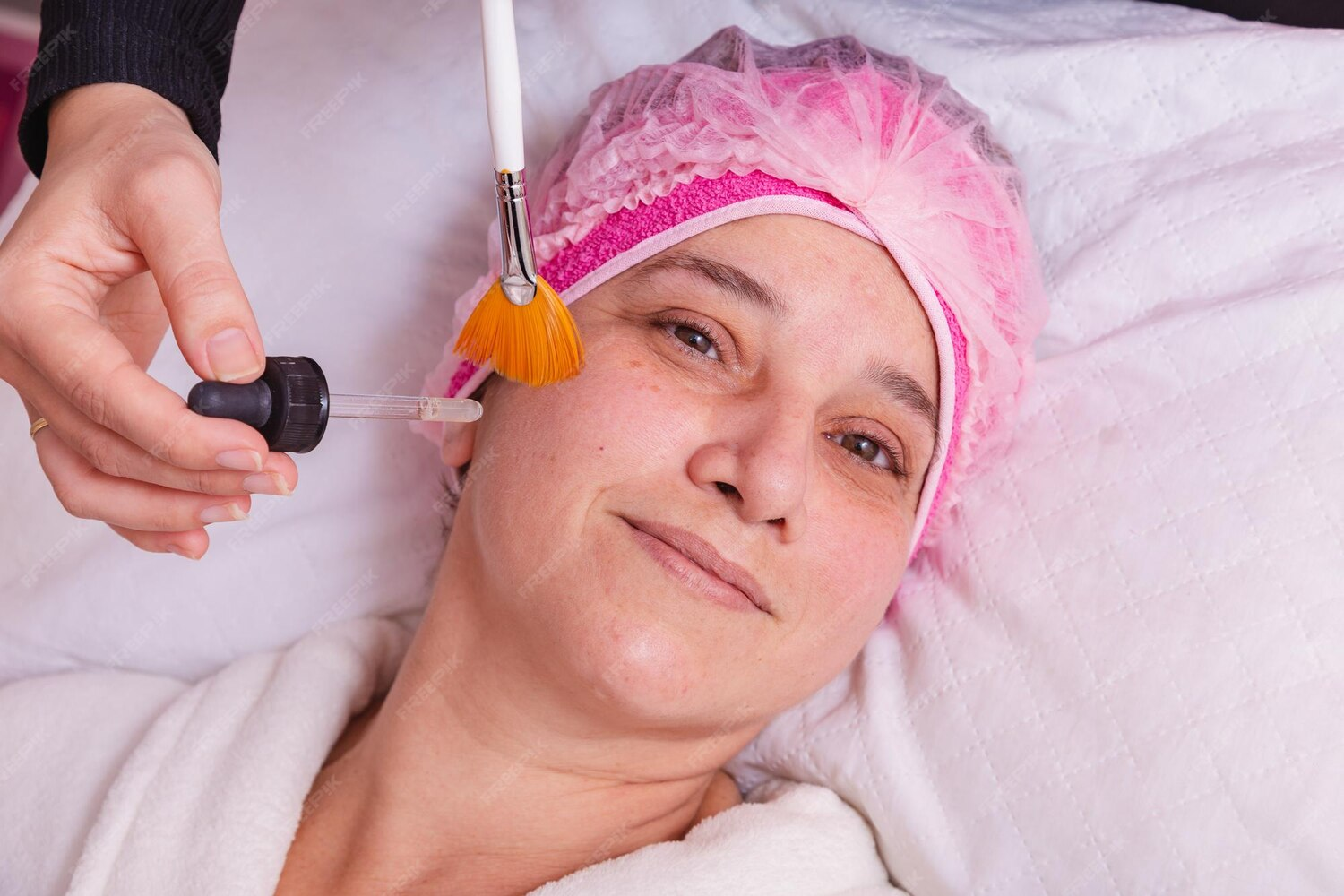
The pursuit of a clear and flawless complexion leads many individuals to seek out pigmentation treatment. This article delves into various methods of addressing skin pigmentation issues, providing insights into restoring one’s natural radiance.
Understanding Skin Pigmentation
Skin pigmentation refers to the colour of the skin that results from the presence of melanin. Melanin is the pigment produced by cells called melanocytes. While it serves the natural function of protecting the skin against UV radiation, excessive melanin production can lead to pigmentation problems, such as melasma, age spots, and post-inflammatory hyperpigentation.
Causes of Pigmentation
The causes of pigmentation are manifold and can encompass genetic factors, hormonal changes, and sun exposure. Excessive exposure to the sun is a predominant cause as it stimulates the production of melanin as a protective mechanism, which over time leads to sunspots and uneven skin tone.
Importance of Professional Assessment
Prior to commencing any pigmentation treatment, it is crucial to consult with a skincare expert. An expert assessment can accurately identify the underlying causes of pigmentation issues and recommend appropriate treatments. This ensures that individuals receive a tailored approach, maximising the effectiveness of the treatment.
Common Pigmentation Treatments
Several treatment options are available for managing pigmentation effectively. These include topical treatments, laser therapy, and chemical peels.
Topical Treatments
Topical treatments often involve the use of creams or serums containing active ingredients such as hydroquinone, retinoids, or vitamin C. These ingredients work by lightening hyperpigmented areas and promoting an even skin tone.
Laser Therapy
Laser therapy is another common method utilised to target pigmentation. This treatment uses focused light to break down pigmentation clusters within the skin. This approach can be particularly effective for those with significant sun damage.
Chemical Peels
Chemical peels involve the application of a chemical solution to exfoliate the skin’s surface layers. This process encourages the regeneration of new skin and can significantly reduce the appearance of pigmentation spots.
Protective Measures Against Pigmentation
Prevention is an integral part of managing pigmentation. Individuals should wear ample sunscreen daily, regardless of weather conditions, as UV rays can penetrate clouds and glass. Additionally, wearing protective clothing and avoiding peak sun hours are effective strategies.
Role of Skincare Routine
A thorough skincare routine can enhance the results of pigmentation treatments. Incorporating products with antioxidants may protect against further damage, and regular exfoliation can promote skin renewal.
Consistency and Patience
It is important for individuals undergoing pigmentation treatment to understand that results may take time. Consistency in following the prescribed skincare regimen and attending follow-up appointments with professionals are key elements for success.
Complementary Lifestyle Changes
A balanced diet rich in vitamins and minerals contributes to overall skin health. Hydration, stress management, and adequate sleep also play a role in maintaining an even skin tone.
Assessment of Treatment Suitability
Not every treatment is suitable for all skin types. A professional can assess whether specific treatments like laser therapy or chemical peels are appropriate, thereby minimising risks such as irritation or further pigmentation issues.
Conclusion
Effective pigmentation treatment requires a comprehensive approach, combining professional skincare solutions and preventive measures. By addressing the root causes and adhering to a tailored treatment plan, individuals can achieve radiant and even-toned skin.