
Alcohol detox gets a lot of attention for the obvious stuff: withdrawal symptoms, medical supervision, and how long it takes. What gets far less coverage is the nutritional side of what’s happening inside the body during that period. Most people going through detox aren’t eating well, and in many cases they haven’t been for a long time. That gap matters more than the conversation around it tends to suggest.
What someone eats during detox isn’t a wellness add-on. Research on alcohol detox foods consistently points to the role that targeted nutrition plays in supporting the body through withdrawal and into early sobriety. The connection between diet and recovery outcomes is physiological and well-documented, and it’s worth understanding in full, especially for anyone trying to make sense of why thorough addiction treatment looks different from a simple supervised withdrawal.
The Nutritional Toll of Chronic Alcohol Use
Chronic alcohol use depletes a wide range of vitamins and minerals, and the damage builds quietly over time. B vitamins take a serious hit. Thiamine (B1), folate, and B6 are among the most commonly depleted nutrients in people with alcohol use disorder, and their absence creates problems that go well beyond fatigue.
Thiamine deficiency is particularly serious. Without adequate B1, the brain becomes vulnerable to Wernicke’s encephalopathy, a neurological condition involving confusion, coordination loss, and abnormal eye movements that requires immediate medical treatment. This is a documented clinical risk, not a remote worst-case scenario, which is why medically supervised detox programs typically begin thiamine supplementation from day one regardless of dietary status on admission.
Magnesium and zinc deficiencies are common too. Both play roles in nerve function, immune response, and mood regulation. The liver and pancreas are also under sustained strain during active alcohol use, since both organs govern metabolism, blood sugar balance, and fat absorption. Extended heavy drinking puts each of them through sustained damage, and that takes real time to reverse once drinking stops.
Why Food Choices During Detox Directly Affect Outcomes
The link between what someone eats during detox and how they feel day-to-day is fairly direct. The mechanisms are specific enough to be worth laying out.
Blood sugar instability is a real problem during alcohol withdrawal. Alcohol impairs the liver’s ability to release glucose properly, and poor eating habits compound this. The result is significant mood swings, irritability, and cravings that make early sobriety harder than it needs to be. Complex carbohydrates like oats, sweet potatoes, quinoa, and legumes provide steady glucose release and help stabilize blood sugar in ways that processed foods don’t.
Protein matters for a different reason. Dopamine and serotonin, both of which are disrupted by long-term alcohol use, are synthesized from amino acids. Lean meats, eggs, legumes, and dairy all provide the raw materials the brain needs to start restoring those pathways. Omega-3 fatty acids, found in fatty fish like salmon and sardines, help reduce inflammation and support the structural integrity of brain cell membranes. These aren’t speculative benefits. They’re the result of basic nutritional biochemistry applied to a clinical context.
Hydration is worth naming specifically. Alcohol has diuretic effects, and many people entering detox are already dealing with chronic low-level dehydration. Water, electrolyte-rich foods, and broths all help restore that balance. It’s a simple piece that gets overlooked, and skipping it slows recovery in ways that compound quickly.
How Nutrition Fits Into Evidence-Based Care
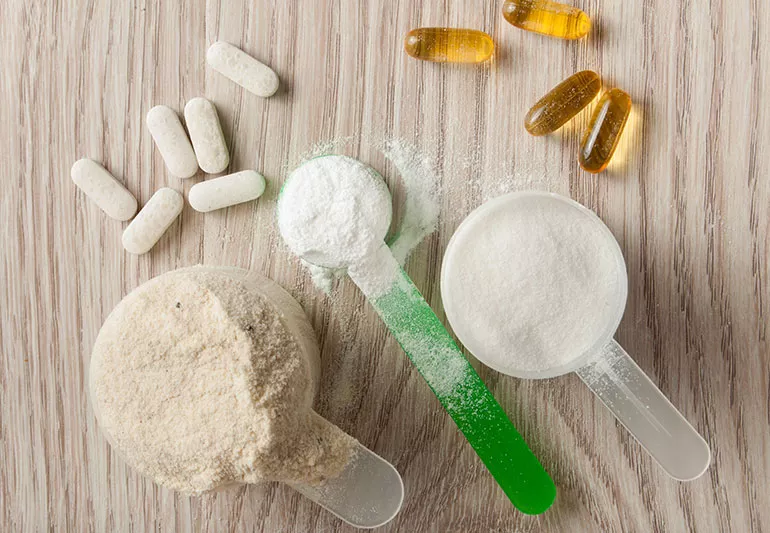
According to MedlinePlus, published by the National Library of Medicine, a diet higher in protein, complex carbohydrates, and dietary fiber is specifically recommended during substance use recovery. The same resource notes that nutritional deficiencies in people with alcohol use disorder are established contributors to physical and psychological instability and that vitamin and mineral supplementation, particularly B-complex, zinc, and vitamins A and C, may be beneficial during the recovery period.
That clinical framing is significant. It positions nutrition not as a lifestyle consideration but as a medical one, something to be addressed with the same deliberateness as medication management or withdrawal monitoring.
The National Institute on Drug Abuse reinforces this point from a treatment design perspective, noting that stopping substance use is just one part of a longer recovery process and that addiction treatment needs to address the whole person, including health, mental functioning, and social relationships. Detoxification alone, without structured follow-on treatment generally leads to resumed use. Nutrition is one of several physical health components that well-designed programs address from the start.
What Nutrition in Early Sobriety Actually Looks Like
The body continues healing well past the acute withdrawal phase, and dietary habits stay relevant for months into recovery.
Regular mealtimes matter more than most people expect. In the early weeks, the brain can genuinely confuse hunger for alcohol cravings because both involve overlapping neurological signals. Eating three consistent meals a day gives the body clearer cues and removes one source of triggering that might otherwise go unaddressed.
Gut health becomes relevant here too. Alcohol causes real damage to the gut lining and disrupts the microbiome, which has a well-documented connection to mood regulation and mental health. Fermented foods, fiber-rich vegetables, and consistent hydration all support gut recovery over time. Antioxidant-rich produce helps reduce the oxidative stress that builds during active alcohol use. These aren’t dramatic interventions. They’re the kind of consistent habits that compound into meaningful improvements in energy, sleep, and emotional stability across the months following detox.
For anyone weighing what nutritional support looks like in a structured treatment context, resources on alcohol detox foods can help clarify what the body specifically needs during this period and why the approach differs from general healthy eating advice.
Recovery Is a Longer Process Than Detox
Detox is not recovery. It’s where recovery starts. The physical stabilization that comes from a well-supported detox, nutritional care included, creates the conditions for the therapeutic work that actually changes long-term outcomes.
For people navigating this process, access to structured, evidence-based care makes a real difference. So does having a clinical team that treats nutrition as part of the treatment plan rather than a suggestion for after discharge. The body can’t sustain the hard work of recovery when it’s running on depleted resources. Addressing that from day one is one of the more underappreciated parts of what thoughtful addiction treatment actually does.