
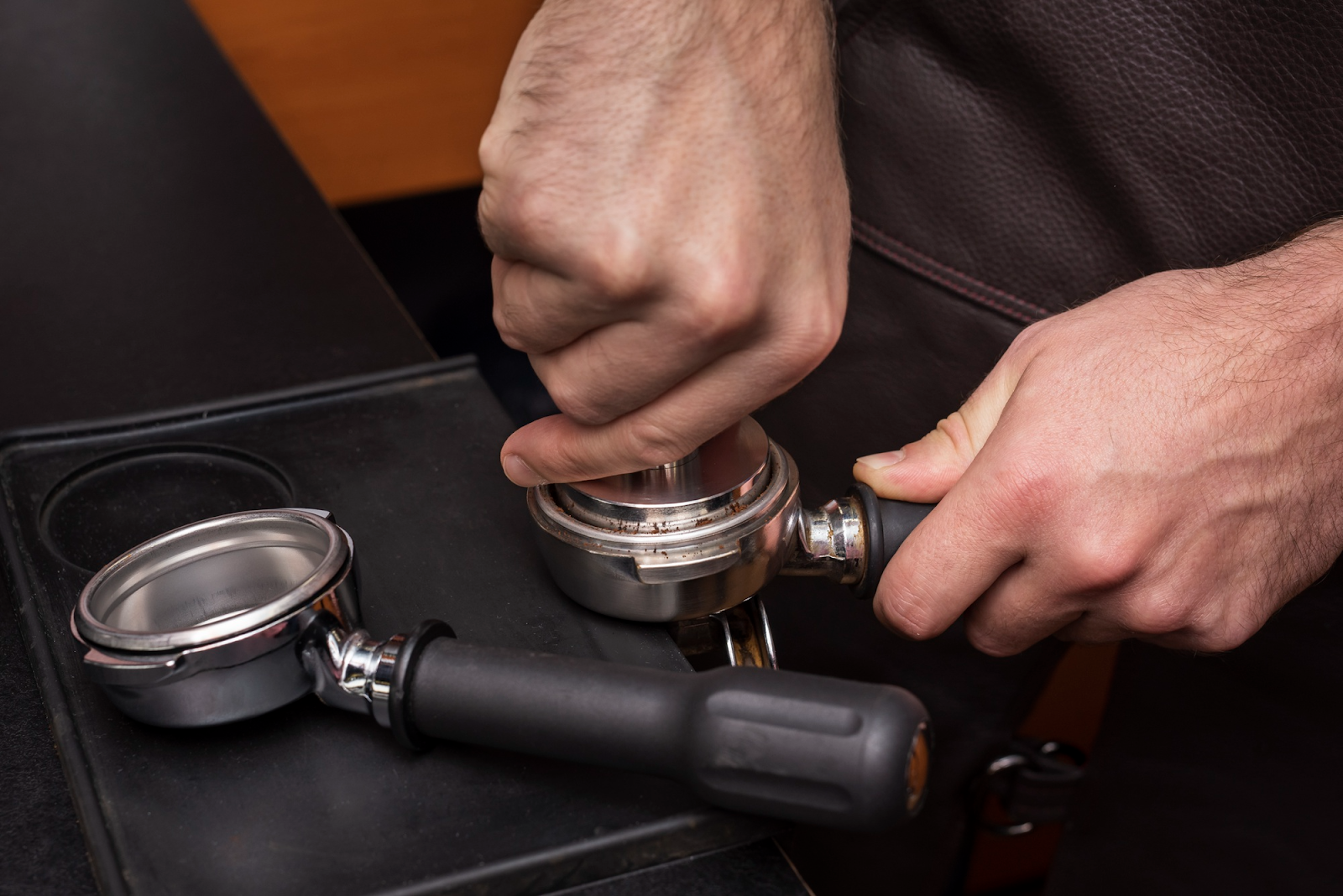
For coffee enthusiasts and professionals aiming to optimise their espresso brewing skills, understanding and addressing issues such as channeling and spritzing is essential. Using a bottomless portafilter can be instrumental in diagnosing and resolving these common problems.
Understanding Channeling and Spritzing
Channeling occurs when water finds the path of least resistance through the coffee puck, often due to an uneven tamp or grind, resulting in an uneven extraction. This can lead to a bitter or weak espresso, as not all coffee grounds contribute equally to the beverage. Spritzing, on the other hand, is the visual expression of channeling, where you can see streams of espresso shooting out erratically from the bottom of the portafilter.
The Role of a Bottomless Portafilter
A portafilter is an essential tool in espresso brewing, holding the coffee grounds during the brewing process. A bottomless portafilter is simply one that has an open base, allowing the barista to see how the espresso is extracting directly from the coffee puck. This transparency helps in diagnosing extraction issues such as channeling and spritzing quickly and efficiently.
Diagnosing Extraction Issues
Using a bottomless portafilter, coffee enthusiasts can visually monitor the flow of espresso. If channeling is occurring, one might notice uneven flow patterns and inconsistent streams. Spritzing will also be unmistakable, as the espresso will not pour out smoothly. Identifying these problems is the first step towards achieving a perfect shot of espresso.
Step-by-Step Guide to Fixing Channeling
Once you have identified the issue of channeling using a bottomless portafilter, the next step is to address it effectively. Here are some potential solutions:
1. Ensure Even Distribution
Before tamping, ensure that the coffee grounds are evenly distributed in the portafilter basket. Using tools like a distribution tool or simply tapping the side of the portafilter can help achieve an even spread of coffee grounds, reducing the potential for channeling.
2. Perfect Your Tamping Technique
Employing the correct tamping technique is crucial. Applying consistent and adequate pressure when tamping ensures that the coffee puck is even and compact, preventing water from finding weak spots.
3. Adjust Grind Size
The grind size can significantly impact the flow of water through the coffee puck. If the espresso is channeling, it may be beneficial to alter the grind size. A finer grind may slow down the flow, helping to eliminate channeling.
Minimising Spritzing
Spritzing can often be mitigated through similar techniques used for addressing channeling, as spritzing is often a symptom of channeling. Ensuring an even tamp and grind, alongside a balanced distribution, will predominantly aid in reducing spritzing.
Benefits of Using a Bottomless Setup
The benefit of using a bottomless portafilter extends beyond diagnostics. It offers the opportunity to refine the brewing process by visibly highlighting areas needing improvement. As baristas adjust their technique and see immediate feedback, their mastery in crafting rich and flavourful espresso improves.
Long-Term Improvements
By addressing channeling and spritzing, baristas can expect not only immediate improvements in the quality of their espresso but also long-term gains in their coffee-making skills. Mastery of these basics can lay the foundation for more complex techniques and recipes.
Conclusion
Channeling and spritzing are two common issues faced by many baristas and espresso enthusiasts. Through the use of tools like a bottomless portafilter, these issues can be diagnosed and efficiently addressed. Whether one is a new barista or an experienced coffee aficionado, understanding the dynamics of a portafilter setup can significantly enhance the quality of espresso drinks served.
By implementing the guidelines discussed and continually refining technique, the quest to perfect the art of espresso brewing is well within reach.