
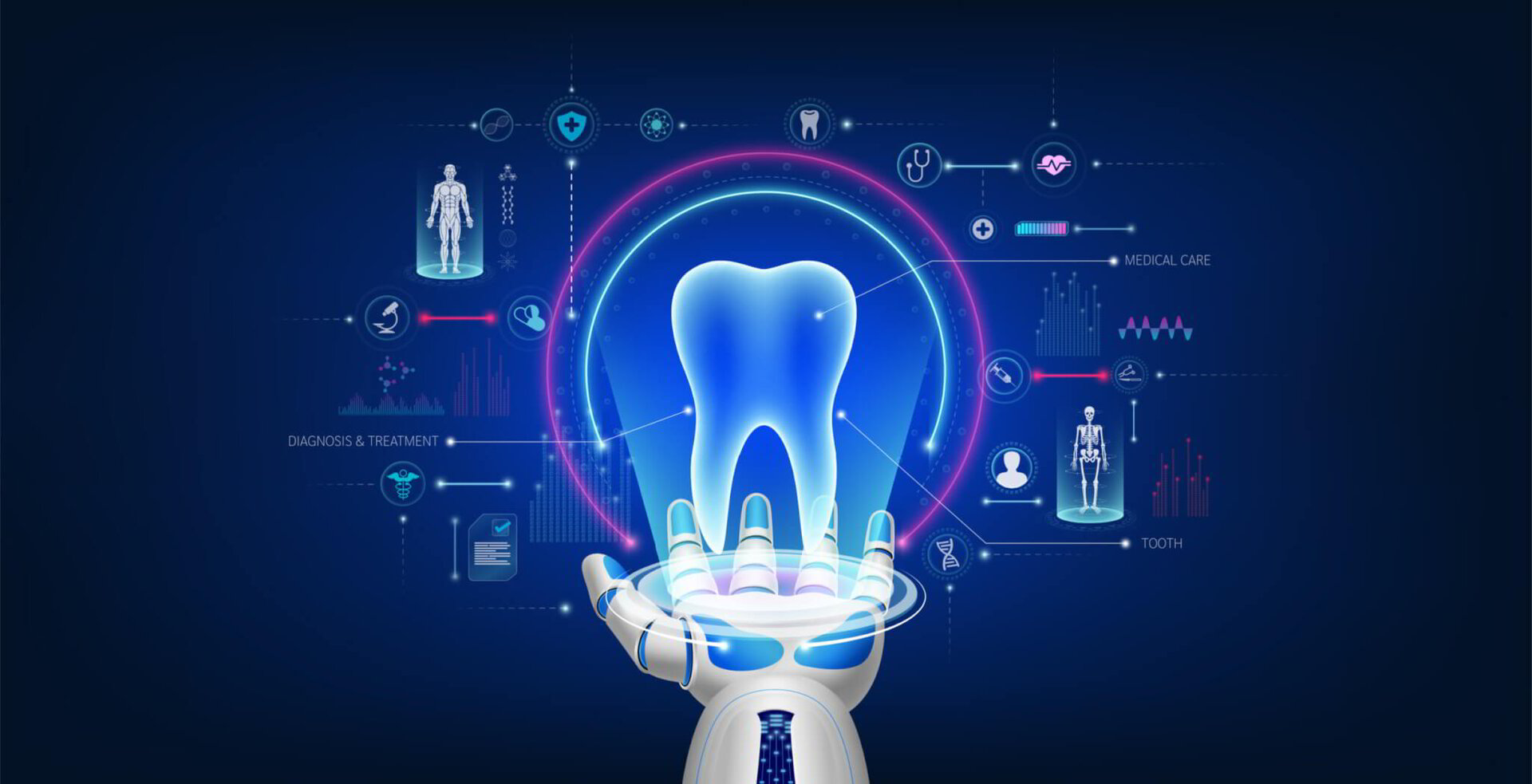
Dental care is entering a transformative era, with cutting-edge advancements that offer more efficient, comfortable, and accessible treatments for patients. As technology becomes increasingly integrated into dental practices, the field is witnessing significant changes in how care is delivered. From advanced dental implants to eco-friendly practices and digital imaging, dental professionals strive to ensure patients receive the best care possible.
Modern dental innovations are not only improving the quality of care but also giving patients more options to suit their lifestyles and needs. With a growing emphasis on sustainability and patient-centered approaches, dental practices are adopting methods that benefit both individuals and the wider community.
Patients are increasingly seeking practices that can provide quicker, less invasive procedures while offering high standards of care and comfort. These technological shifts also allow for greater customization of treatment, ensuring everyone receives care tailored to their unique needs and preferences.
By embracing innovations, dental practices are now better prepared to overcome challenges such as limited access to care and environmental concerns.
Digital Imaging and Diagnostics
One of the most impactful changes in dental care today is the move to digital imaging. Replacing traditional X-rays, digital imaging tools produce clearer, more detailed images using up to 90 percent less radiation. This reduction in exposure significantly enhances patient safety while delivering higher-quality diagnostics for dental professionals. Improved image precision enables dentists to identify problems earlier, making treatments less invasive and improving long-term outcomes. According to the American Dental Association, digital radiography has revolutionized diagnostic capabilities, enabling more personalized and proactive treatment plans.
Same-Day Dentistry
The days of multiple dental appointments for crowns or veneers are fading as same-day dentistry becomes increasingly common. Technologies such as intraoral scanners and chairside 3D printers enable clinicians to create precise dental restorations during a single visit. This not only reduces patient discomfort but also saves valuable time and supports a streamlined workflow within clinics. As mentioned in a Forbes article, same-day solutions can be especially important for those with busy schedules, offering the convenience of fast, effective treatment without compromising quality.
Teledentistry
The rise of teledentistry is narrowing the gap in dental care accessibility. Telehealth platforms allow patients, especially those in rural or underserved regions, to consult with dentists remotely. Virtual appointments facilitate ongoing care, second opinions, and follow-up consultations without requiring travel. These innovations have become invaluable during public health crises when in-person visits are difficult. Teledentistry also offers an efficient way to monitor chronic issues and post-procedure recovery, improving continuity of care and reducing barriers to treatment for many communities.
Artificial Intelligence in Dentistry
Artificial intelligence is making a profound impact in dental practices by automating and streamlining tasks. AI-driven tools analyze digital X-rays and intraoral scans to detect issues like early cavities and periodontal disease that may be missed by the human eye. Moreover, AI informs treatment planning and supports office administration, such as appointment management and inventory tracking. Enhanced diagnostic accuracy and improved operational efficiency contribute to better patient outcomes. Research published by the National Institutes of Health suggests AI’s potential to transform how oral health is monitored and managed, thereby enhancing preventive care.
Eco-Friendly Dental Practices
With growing awareness of environmental issues, dental offices are adopting more sustainable practices. Efforts include using biodegradable materials, implementing digital and paperless records, incorporating reusable and recyclable tools, and managing resources more efficiently. These methods decrease waste, lower energy consumption, and reduce the use of chemicals that may harm the environment. Patients increasingly favor practices that prioritize sustainability, aligning their healthcare choices with broader environmental values.
Minimally Invasive Techniques
Minimally invasive dentistry limits unnecessary removal of healthy tooth structure and shortens recovery time. Techniques like laser dentistry offer a gentle alternative to drills for certain procedures, providing a more comfortable experience and reducing anxiety for many patients. Innovations such as ozone therapy, air abrasion, and micro-invasive fillings also contribute to less traumatic procedures, helping maintain the integrity of natural teeth and promoting better long-term oral health.
Patient-Centered Care
Contemporary dental care puts patients at the center of every decision and treatment plan. Practices are redesigning environments to alleviate stress and anxiety, providing amenities such as soothing decor, music, and tailored communication styles. Personalized care plans, strong doctor-patient relationships, and advanced technologies, such as devices that deliver painless injections, have made dental visits more comfortable and less intimidating. This approach fosters trust while also improving overall satisfaction and health outcomes for patients of all ages.
Final Thoughts
The evolution of dental care, fueled by digital technology, artificial intelligence, and sustainable practices, is setting new standards for quality, efficiency, and accessibility in oral health. These trends allow dental professionals to offer enhanced care tailored to the needs and values of today’s patients. Embracing ongoing innovation ensures dental practices can deliver high-quality care and meet evolving expectations well into the future.