
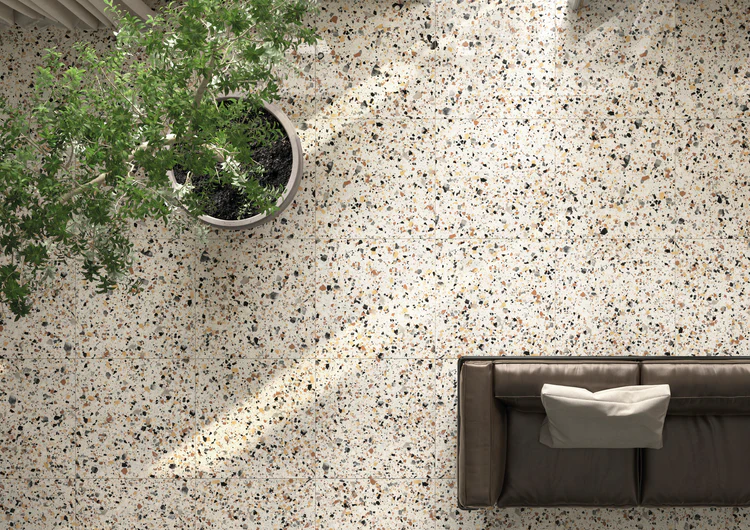
When planning any interior or exterior design project, one of the most critical decisions you’ll make is selecting the right materials. Whether you’re renovating a kitchen, updating a bathroom, or redesigning a patio, the materials you choose play a huge role in how the final space looks and how long it lasts. Investing in quality finishes isn’t just about aesthetics — it’s about value, longevity, and overall satisfaction with your space.
Why Material Quality Matters
Selecting high‑quality materials should be at the top of your priority list. Cheaper alternatives might seem attractive initially, but they often fail prematurely, leading to costly repairs and replacements down the line. Quality materials are engineered to withstand everyday wear and tear, maintain their appearance over time, and resist damage from moisture, heat, and impact. When you choose durable materials, you’re creating a space that not only looks great but continues to look great for years.
High‑end materials also tend to perform better in challenging environments. For instance, in high‑traffic areas like hallways or entryways, choosing flooring that resists scratches and stains will keep your home looking polished without constant maintenance. In wet areas like bathrooms and kitchens, moisture‑resistant surfaces are essential to prevent warping, mold, or discoloration.
Balancing Style and Function
A common misconception is that durable materials can’t be stylish. In reality, today’s design market is filled with products that offer both beauty and performance. From porcelain tiles that mimic the look of natural stone to engineered quartz countertops with stunning patterns, there’s no need to compromise on aesthetics when you choose robust options.
Start by envisioning the overall style you want — modern, rustic, classic, or eclectic — and then explore materials that align with that vision while also offering the performance you need. For example, large‑format tiles can create a seamless, contemporary look in living spaces, while textured tiles add character to a rustic kitchen backsplash. Outdoor areas benefit from materials designed specifically for exterior use, such as weather‑proof pavers or UV‑resistant decking.
Tips for Choosing the Right Materials
Research is key when selecting materials for your project. Visit reputable suppliers to see and feel products in person, and ask questions about durability ratings, maintenance requirements, and installation considerations. Reputable tile shops and showrooms can be invaluable resources. For instance, if you’re near St Albans and planning a tile installation, a visit to a dedicated tile retailer like tile shop St Albans can help you compare quality options first‑hand and choose something that excels in both look and durability.
Consider the specific demands of each area of your home. For floors, prioritize scratch resistance and strength. For countertops, look for surfaces that resist staining and heat. Wall finishes should be easy to clean and compatible with the room’s function. Outdoor materials should withstand weather extremes and retain color despite sun exposure.
Long‑Term Benefits of Quality Choices
While high‑quality materials might require a higher upfront investment, the long‑term benefits far outweigh the initial cost. You’ll enjoy surfaces that stay beautiful longer, require fewer repairs, and contribute to a well‑designed, cohesive space. Quality materials also add to your home’s resale value, making them a smart choice whether you plan to stay for years or eventually sell.
Ultimately, investing in quality materials for a stylish and durable finish means thinking ahead. Choose products that combine beauty with performance, work with trusted suppliers, and consider how each material will age in your space. When done thoughtfully, your finished design will look stunning and stand the test of time.