

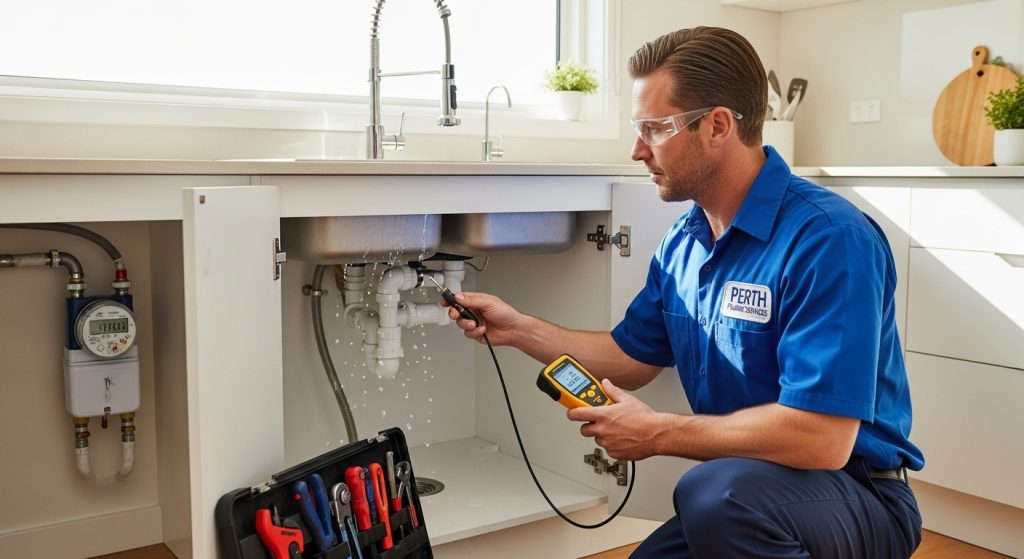
Smart leak detection systems have changed plumbing service by moving leak detection from a visible emergency to a data-driven process. Instead of waiting for water stains or a sudden burst pipe, homeowners can receive alerts from sensors, flow monitors, and automatic shutoff valves that continuously monitor the plumbing system. This helps reduce damage, but it also introduces new questions about setup, calibration, and what an alert truly means. Plumbers often serve as the bridge between digital devices and physical piping, translating sensor readings into actionable inspections and targeted repairs. A leak alert might indicate a dripping toilet flapper, a pinhole in a copper line, irrigation seepage, or even normal water use that the system has not yet learned. The plumber’s role is to verify the source, fix the cause, and tune the system so it becomes more accurate over time. When smart detection is installed and maintained correctly, it supports prevention without creating constant false alarms.
Sensors plus plumbing know-how
- Installation planning and where devices fit
Plumbers begin by evaluating the home plumbing layout and the risk points that cause the most costly damage. Whole-home systems typically use a flow meter and pressure sensor installed on the main line, often paired with a motorized shutoff valve. Placement matters because the device needs stable flow characteristics and enough straight pipe length to read accurately. Plumbers also check valve condition, pipe material, and clearance for service access. For older homes, they may recommend replacing a worn main shutoff or adding a service loop so the smart valve can be removed later without cutting the pipe again. In addition to main-line devices, point sensors are placed under sinks, behind toilets, near water heaters, and at washing machine boxes where small leaks start quietly. Plumbers look for spots where water would pool first and where sensors will not be soaked by routine cleaning. Wi-Fi strength and power supply also matter, so they coordinate sensor placement with signal coverage and battery change access. The goal is a layout that watches the highest-risk locations without turning the home into a maze of gadgets that no one maintains.
- Interpreting alerts and narrowing the real cause
Once a system is active, plumbers are often called when a homeowner receives repeated alerts or an automatic shutoff occurs unexpectedly. The plumber’s job is to treat the alert as a clue, not a conclusion. They ask which fixtures were used at the time, whether anyone was showering, running laundry, or watering the yard, and review the device event log, if available. Many smart systems identify patterns such as continuous flow, small intermittent flow, or pressure decay, which can point toward different causes. Continuous flow may suggest a running toilet, a stuck softener valve, or a hose bib left open. Small intermittent flow can indicate a slow leak or an appliance cycling. Pressure decay can indicate a leak after the main valve, but thermal expansion, check valves, or pressure-reducing valve behavior can also affect it. A Plumber in Summerville might also consider humid climate factors, such as condensation lines or water heater relief events, that can confuse sensors if the system is not calibrated. The plumber uses classic tests such as isolating fixture valves, dye testing toilets, listening for flow, and checking meter movement, then matches the findings to the smart system data.
- Calibration, learning periods, and reducing false alarms
Smart leak detection works better when it is tuned to the household’s normal habits. Plumbers help with this by guiding homeowners through initial learning periods and by setting appropriate sensitivity levels. If the system is too sensitive, it may interpret a long shower, a refrigerator ice maker refill, or irrigation cycles as abnormal use. If it is not sensitive enough, it may miss small leaks that matter. Plumbers often recommend programming known events, such as sprinkler schedules or pool fillings, so the system does not panic during planned water use. They also verify that the device has accurate pipe-diameter settings and that the installation meets manufacturer requirements, because turbulent flow from elbows too close to the sensor can produce noisy readings. Another common issue is water pressure. If pressure is too high or fluctuates, it can produce pressure decay signals that resemble leaks. In that case, the fix may be an adjustment to the pressure-reducing valve, an expansion tank check, or the correction of a stuck regulator. By improving the underlying plumbing conditions, the smart device becomes more reliable. The result is fewer nuisance alerts and faster detection when a real leak begins.
Plumbers use smart leak-detection systems that combine digital clues with hands-on inspection and repair skills. They plan installations around pipe layout, risk points, and service access, then interpret alerts by isolating fixtures and testing common leak sources. Calibration and sensitivity tuning reduce false alarms, while plumbing corrections like pressure regulation and valve maintenance improve sensor accuracy. With proper setup and ongoing care, smart leak detection becomes a practical layer of protection that helps homeowners catch problems early and limit water damage.