

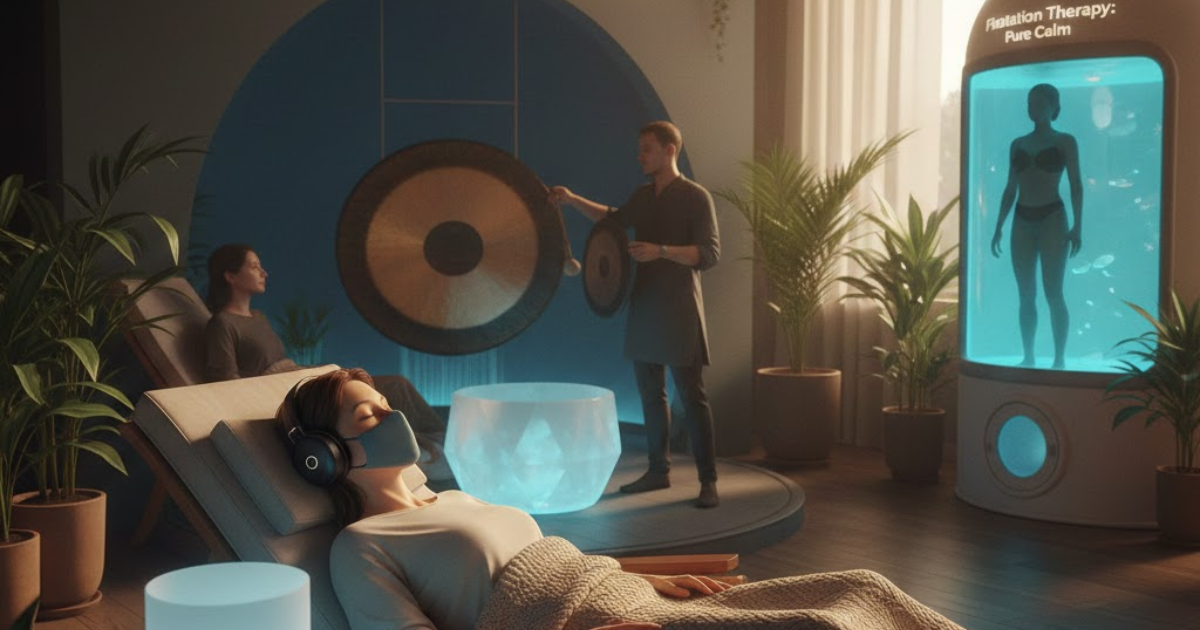
In a world that often glorifies productivity and constant motion, a beautiful shift is emerging. People are beginning to prioritize being over doing, and wellness trends are evolving to support deep relaxation, inner calm, and mindful presence. These practices do more than help you unwind. They nourish the nervous system, soothe the spirit, and restore balance in ways that feel deeply transformative. Here are the top wellness trends that reflect this powerful shift toward true relaxation.
1. Sacred Pause Rituals Before Sleep
Instead of scrolling through screens, more people are embracing calming bedtime rituals. Think gentle stretching, warm herbal tea, dim lighting, and quiet reflection. These intentional pauses help calm the mind, lower stress hormones, and make way for restorative sleep, which is a cornerstone of deep relaxation.
2. Breathwork That Transforms Tension into Peace
Breathing is something you do automatically, but when you do it consciously, its impact is profound. Breathwork sessions, whether guided or self-led, help release anxiety, reset the nervous system, and anchor you in the present moment. Many find that just a few minutes of focused breathing can shift stress into serenity.
3. Nature-Connected Meditation Practices
Forest bathing, sound walks, and outdoor meditation are rising in popularity as people rediscover the healing power of nature. Being among trees, listening to birdsong, and grounding your body to the earth stimulate relaxation responses in the brain that no amount of urban hustle can replicate.
4. Digital Detox Days for Mental Clarity
Tech interruptions fragment your attention and activate stress pathways. Whether a few hours or a whole weekend, digital detox days give the nervous system a chance to reset. No pings, no screens, just presence. Many participants report a profound sense of calm and mental clarity afterward.
5. Mindful Movement for Emotional Balance
Wellness is moving beyond high-intensity workouts to include practices that fuse physical expression with emotional release. Yoga, qi gong, slow dance, and therapeutic movement sessions encourage people to move with awareness rather than intensity. These practices soothe muscle tension and quiet the mind.
6. Weighted Blankets for Deep Nervous System Calm
Weighted blankets have gained popularity not just for cozy comfort but for their ability to support relaxation responses. The gentle pressure mimics a calming hug, increasing feelings of safety, reducing stress, and improving sleep quality
7. Sound Healing and Vibrational Therapies
From crystal bowls to tuning forks and gong baths, sound-based practices are becoming mainstream for relaxation. The vibrations created in sound healing help regulate brain waves, inviting deep quietude and emotional release. Many participants describe the experience as a meditation you can feel.
8. Restorative Spa Rituals That Honor Stillness
Wellness is moving beyond quick fixes to experiences that honor stillness and presence. Rituals like thermal baths, salt caves, float tanks, and massage therapies offer physical release alongside mental calm. A session like a full body massage Reading offers not just physical relief but emotional ease, helping people shed tension they didn’t even know they were holding.
9. Slow Nutrition for Gut-Brain Harmony
Mindful eating is gaining traction as more people realize that how you nourish your body affects your stress levels. Slow, intentional meals focused on whole foods support gut health, which is intimately linked with mood and relaxation. Eating becomes an act of self-care, not something rushed between tasks.
10. Intentional Breath-Centered Work Breaks
Rather than powering through stress, people are carving out intentional micro-breaks during the day. These are not for productivity but for presence. Five minutes of mindful breathing, gentle stretching, or a quiet walk outside helps reset the nervous system and supports a calm state of being.
11. Therapeutic Journaling That Unloads the Mind
Wellness today embraces reflective practices that help people process emotions instead of suppressing them. Therapeutic journaling, especially evening reflections, provides mental clarity, emotional release, and a sense of completion at the end of the day.
12. Community-Centered Relaxation Events
People crave connection, and group relaxation experiences are blossoming. Community sound baths, meditation circles, and holistic wellness retreats create shared spaces for collective calm. These gatherings remind you that relaxation is not just personal but relational.
13. Self-Compassion as a Daily Practice
Ultimately, all of these trends point toward one essential truth: wellness is no longer about performance. It is about kindness to oneself. People are choosing practices that reinforce self-nurturing, emotional balance, and deep rest. When you treat yourself with compassion, relaxation becomes a lived experience, not just a fleeting escape.


