
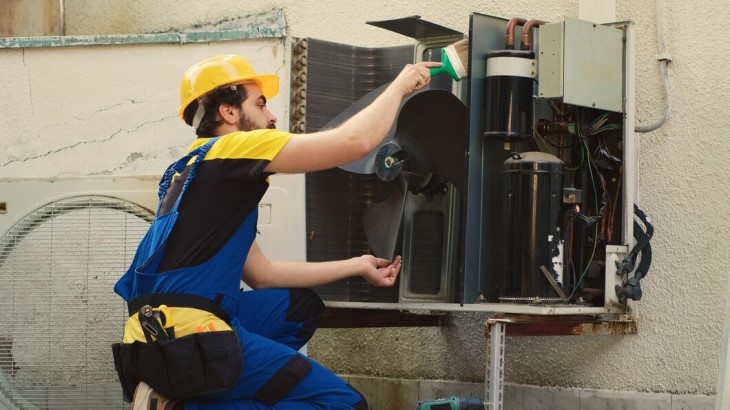
When a home feels too hot in one room, too cold in another, or humid even while the system is running, many homeowners assume the HVAC unit is failing. But comfort problems are often caused by airflow restrictions, duct leakage, poor thermostat behavior, insulation gaps, or uneven heat transfer—not by the equipment itself. Replacing a furnace or air conditioner without understanding the root cause can waste money and leave the original comfort issue unresolved. Skilled HVAC contractors focus on diagnosing the system as a whole. Instead of jumping to replacement, they identify what is preventing the system from delivering consistent comfort. This approach protects the homeowner’s budget while improving performance, efficiency, and indoor comfort without major equipment changes.
How Contractors Find the Real Cause
- Starting With Symptoms, Not Assumptions
A proper comfort diagnosis begins with listening. Contractors start by confirming the specific complaint: uneven temperatures, weak airflow, noisy vents, stale air, humidity swings, or short cycling. They ask when the issue happens, which rooms are affected, and whether it occurs during heating, cooling, or both. This information guides the inspection and prevents random guessing. Many comfort issues are patterns, not sudden breakdowns. For example, a west-facing room may overheat in the late afternoon due to sun exposure, not HVAC failure. A bedroom may remain warmer due to a duct design issue that restricts airflow. A careful contractor avoids assumptions and gathers evidence. During this process, companies such as Air Docs Heating & Cooling often focus on step-by-step verification over replacing major parts immediately. The goal is to locate the barrier between equipment output and indoor comfort.
- Measuring Airflow and Temperature Differences
Comfort is controlled by airflow and heat transfer. Contractors measure supply and return airflow, temperature splits, and static pressure to see how efficiently air moves through the system. A system can operate normally yet deliver poor comfort when airflow is low or unbalanced. Static pressure readings help detect restrictions like clogged filters, blocked coils, undersized ducts, or closed dampers. Temperature measurements across rooms indicate whether the problem is distribution-related. These tests allow contractors to see what the system is actually doing instead of relying on what it “should” do. When airflow is corrected, comfort often improves dramatically without changing the main equipment.
- Testing Before Touching Parts
Replacing parts without testing often leads to repeat visits and unresolved complaints. A strong diagnosis starts with measurements—airflow, temperature, pressure, and humidity—so the repair targets the root cause rather than symptoms.
- Ductwork Evaluation and Hidden Air Loss
Duct problems are one of the most common causes of comfort complaints. Leaks, disconnected sections, crushed flex ducts, and poor duct layout can prevent conditioned air from reaching the rooms that need it. Contractors inspect ducts visually where possible, and use pressure testing and airflow readings to confirm leaks or restrictions. Even small leaks in attic ductwork can cause major comfort loss because conditioned air escapes into unconditioned spaces. Duct imbalance can also create pressure problems in the home, pulling hot air in through gaps or pushing cooled air out of rooms. Repairing duct connections, sealing joints, or correcting airflow pathways can restore comfort without replacing the HVAC unit.
- Thermostat Behavior and Control Issues
Sometimes the comfort problem is not mechanical—it is control-related. Thermostat placement matters. If a thermostat is installed near a heat source, in direct sunlight, or in a hallway with poor airflow, it may read the temperature inaccurately. This causes improper cycling, uneven comfort, and longer runtimes. Contractors also check thermostat programming and calibration. A system can short-cycle if settings are incorrect or if the thermostat is incompatible with the equipment stages. Smart thermostats can create comfort issues if schedules or temperature swing settings are too aggressive. Adjusting controls and correcting thermostat placement can solve major comfort complaints without touching the equipment itself.
- Humidity, Ventilation, and Comfort Perception
Comfort depends not only on temperature but also on humidity. High humidity makes rooms feel warmer and heavier, even when the thermostat shows the correct temperature. Contractors evaluate whether the system is removing moisture effectively. Issues such as dirty coils, low airflow, oversized cooling equipment, or ventilation imbalance can reduce dehumidification performance. Contractors may also inspect bathroom fans, kitchen ventilation, and attic conditions, as these factors affect indoor moisture. Improving ventilation, correcting airflow, or managing moisture sources can restore comfort without requiring equipment replacement. When humidity is controlled, temperatures feel more consistent and pleasant at the same thermostat setting.
- Insulation and Room-Level Heat Gain
Comfort complaints often come from rooms that gain or lose heat faster than others. Poor attic insulation, leaky windows, unsealed wall penetrations, or uninsulated duct runs can overwhelm the HVAC system. Contractors may recommend sealing air leaks, improving insulation, or adding returns in problem areas. These improvements reduce the HVAC system’s load and help it maintain comfort more evenly. Without addressing building envelope issues, equipment changes may still fail to solve comfort problems. By correcting room-level heat gain and loss, contractors often achieve better comfort without needing larger equipment.
Comfort Comes From System Balance
HVAC comfort problems often come from airflow, duct issues, thermostat control, humidity imbalance, or insulation weaknesses—not from equipment failure. Skilled contractors diagnose comfort complaints by gathering symptoms, testing performance, measuring airflow and pressure, and checking building conditions. This system-based approach avoids unnecessary replacement and helps homeowners practically improve comfort. Once the underlying cause is corrected, the equipment can perform as intended, delivering consistent temperatures and improved indoor comfort without major upgrades. The most effective solutions usually come from restoring balance rather than replacing machines.