
A lot of parents learned to spot vapes the hard way. The sweet smell. The weird chargers. The “USB stick” that wasn’t a USB stick.
Nicotine pouches change the whole game because they’re quieter. No vapor. No scent cloud. No obvious device. Just a tiny pouch tucked under the lip, and a kid can stay in the room, look you in the eye, and still be using nicotine.
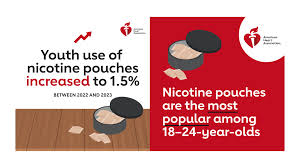
And the numbers are no longer tiny. In the U.S. National Youth Tobacco Survey, 1.8% of middle and high school students (about 480,000 kids) reported current nicotine pouch use in 2024. Even more concerning, a meaningful slice of youth pouch users report daily or near-daily use.
So if your gut is telling you something’s off, you’re not being dramatic. You’re noticing a real shift.
What makes pouches different (and why they spread fast)
Nicotine pouches are small packets that sit between the gum and lip. They usually contain nicotine and flavorings, and they don’t require spitting. That “no mess” detail matters. It makes them easier to hide at school, at practice, in a movie, even in bed at night.
The CDC’s public guidance is blunt: there are no safe tobacco products, and youth and young adults should not use nicotine pouches.
The discreet factor is the point
With vaping, there’s a whole routine: device, pods, charging, the exhale. With pouches, the routine is almost invisible. A kid can use one during class, then toss it and go back to normal.
That stealth doesn’t just lower the chance of getting caught. It lowers the chance of getting interrupted early, which is when prevention actually works.
Flavors and social proof do the rest
You don’t need a “marketing mastermind” explanation to see why this spreads. Flavors make nicotine easier to tolerate at first, and social media turns niche habits into a vibe. Add convenience-store placement and the “it’s not smoking” logic, and you have a product that feels less serious than it is.
A rehab-adjacent family guide: how to spot discreet pouch use
This isn’t about becoming a detective. It’s about noticing patterns that don’t add up.
The clues most families miss
Some signs look like normal teen stuff until you see them together:
- Small circular tins or slim plastic cans showing up in backpacks, hoodie pockets, or car cupholders
- Frequent gum use or constant mints, especially right after coming home
- Lip or gum irritation, mouth sores, or complaints like “my gums are sensitive”
- Nausea, dizziness, or headaches, especially in newer users (nicotine can hit hard at first)
- Sleep changes and irritability that track with school days or social outings
- A sudden need for constant stimulation, like needing something during movies, car rides, homework, or gaming
Here’s a tricky one: some kids don’t look “wired.” Nicotine can make one teen edgy and another oddly calm. It depends on baseline anxiety, sleep debt, and how dependent they already are.
How to talk about it without triggering a shutdown
If you come in hot, you’ll get the “it’s not a big deal” wall. Try a calmer opener that still has teeth:
- “I’m seeing some stuff that looks like nicotine. I’m not here to yell. I need the truth.”
- “Help me understand what you’re using and how often.”
- “I’m worried because nicotine hooks fast. I’m not treating this like a phase.”
Then ask one practical question: “When was the last time you went a full day without it?”
That question cuts through the debating.
If the answer is “I don’t know” or “I get cranky,” you’re likely dealing with dependence, not experimentation.
The harm ladder: pouches vs vapes vs cigarettes (straight talk, not scare talk)
Parents deserve a clear comparison. Not a lecture.
Start with the obvious truth: combustible cigarettes are the worst on the harm ladder because smoke from burning tobacco drives cancer, lung disease, and heart disease risk.
After that, it gets messy, because “less harmful than cigarettes” does not equal “safe,” especially for teen brains.
Where nicotine pouches land on the ladder
Pouches don’t involve burning tobacco, and they don’t create smoke. That likely reduces exposure to many combustion-related toxins compared with cigarettes. That’s part of why regulators and researchers sometimes frame them in harm-reduction terms for adult smokers.
But for youth, the key risk is different: nicotine dependence and brain effects. Nicotine can prime reward pathways, ramp up anxiety, and make focus feel impossible without the drug. And once dependence clicks in, kids often “stack” products.
Vapes are a different kind of risky
Vapes deliver nicotine fast and can become a constant habit because they’re easy to hit all day. They also raise concerns about lung irritation and the unknowns of repeated inhalation exposures over years.
The point isn’t to rank every product like a video game tier list. The point is this: any nicotine product can train the brain to need nicotine to feel normal, and teens are extra vulnerable to that loop.
Dual use is the quiet accelerator
A lot of teens don’t pick one lane. They mix.
Some use pouches at school because they’re discreet, then vape after school because it hits faster. That “two-product routine” can build dependence quicker because there’s always a way to get nicotine, no matter the setting.
Research coverage and public health summaries have flagged this shift toward combined patterns of use, not just single-product habits.
Rural vs urban differences are real, and they matter
This is where parents often get blindsided. In some datasets and reporting, pouch use has shown higher levels in rural groups compared with suburban and urban peers, alongside differences by gender and demographic patterns.
Why would rural areas see higher uptake in some samples? A few grounded possibilities show up again and again in community health conversations: fewer youth programs, fewer clinicians, different store density patterns, and a culture where smokeless products have been normalized for decades. None of that means “rural kids are the problem.” It means prevention has to match the local reality.
The “harm-reduction” message gets misread
Some teens hear, “It’s safer than cigarettes,” and translate it as, “So it’s basically fine.” That misunderstanding is a big deal, because most teens using nicotine pouches are not adult smokers trying to quit cigarettes. They’re new nicotine users.
Policy and marketing: flavors, placement, and the fight over limits
This topic is heading into the policy arena fast because it sits right at the crossroads of harm reduction for adults and addiction prevention for youth.
In 2024, the FDA announced enforcement actions tied to underage sales of certain nicotine pouch products, including warning letters and civil money penalty complaints against retailers.
And in January 2025, the FDA authorized marketing for a set of ZYN nicotine pouch products after review, while also discussing youth-risk considerations in its decision.
So yes, regulators are paying attention. But families feel the speed of a trend long before policy catches up.
What policies usually target first
When lawmakers and agencies move, they tend to focus on a few levers:
- Flavors (because they lower the barrier for first-time users)
- Packaging and placement (bright designs, front-counter display, youth-appealing cues)
- Marketing channels (especially social media, influencer culture, and lifestyle messaging)
- Retail enforcement (age checks, online sales controls, penalties)
You can have smart debates about adult harm reduction without ignoring the youth reality. Both can be true: a product might reduce harm for an adult smoker who fully switches, and still be a problem if it recruits new teen users.
What families can do while policy crawls along
You can’t legislate your way out of a single household problem. Practical steps matter:
- Keep nicotine products out of easy-access areas (cars, kitchen drawers, garage shelves).
- If you suspect use, don’t only confiscate it. Pair it with a plan: check-ins, support, and a clear limit.
- Push your school for a modern response. Many school policies still focus on vaping devices and miss oral products entirely.
When it’s time to get help (and what help actually looks like)
If your teen is using nicotine daily, hiding it, panicking without it, or pairing it with vaping, you’re past the “take it away and it stops” stage.
This is where a treatment conversation becomes reasonable. Not because your teen is “broken,” but because nicotine dependence is sticky and it often sits next to anxiety, depression, ADHD, trauma, or social stress.
If you need a starting point for support, Rehab in California can be a resource for families who want guidance on substance use patterns, assessment, and next steps.
What a good plan usually includes
A solid support plan for teen nicotine dependence often looks like:
- A calm assessment of how often they use and what triggers it
- Skills for cravings (not just willpower)
- Mental health screening (anxiety and sleep are frequent drivers)
- Family involvement, because home routines shape relapse risk
- A plan for school and social situations, not just home rules
And yes, some teens benefit from structured treatment, especially when nicotine is bundled with alcohol, cannabis, or other drugs.
Recovery, relapse, and the boring truth that saves families
Here’s the mild contradiction that’s worth saying out loud: some teens quit fast once the pressure and access drop. Others don’t. That’s not a failure. That’s the difference between early use and dependence.
If you’re navigating a more complex situation, or you’re dealing with multiple substances and higher risk behavior, Addiction Treatment Center in Massachusetts is another option families can look at for structured care and support planning.
Relapse doesn’t mean “nothing worked”
Nicotine relapse is common because the triggers are everywhere: stress, friends, boredom, late-night scrolling, sports culture, even studying.
What works better than punishment is a simple loop:
- Identify the trigger
- Build a replacement routine
- Reduce access
- Track progress like you would any health goal
- Repeat, even when it’s annoying
And keep an eye on timing. Back-to-school stress, holidays, and long breaks can kick cravings up, because routine changes make coping habits louder.
The bottom line
Nicotine pouches are rising because they fit teen life too well: discreet, flavored, easy to use anywhere, and socially “normal” in the right group.
Your job as a parent is not to win an argument about whether pouches are “better than vaping.” Your job is to protect your kid’s brain and future from a dependence cycle that starts quietly and gets real fast.
Notice the signs. Ask direct questions. Set limits. And if it’s already tangled up with daily use, dual use, or mental health stress, treat it like the health issue it is.