
You know the moment. You want to say hi. You even like the person. Then your chest tightens, your mind goes blank, plus you start planning an escape route like you are in a crowded elevator with a broken button panel.
Social anxiety can feel like that. Loud. Physical. Fast.
But you are not broken. Your nervous system just learned to treat social moments like danger. The goal is not to “push through” until you collapse. The goal is to help your body relearn safety in tiny, repeatable ways. No shame. No pressure. No forced extrovert makeover.
This is a self-care guide for gentle exposure. The kind you can do on a normal week. The kind that leaves room for rest. The kind that makes connection feel possible again.
One quick personal note before we start: I once rehearsed a simple “nice to meet you” line in my head so many times that I forgot the person’s name the second they said it.
You are not alone.
Start with a kinder definition of progress
Social anxiety loves all-or-nothing rules. If you did not stay the whole time, it counts as failure. If you felt awkward, it means you cannot do it. If your voice shook, everyone noticed.
That is not how progress works in real life.
Progress looks like this:
- You show up for five minutes, then leave on purpose.
- You send a message even though your stomach flips.
- You make eye contact, then look away, plus you keep breathing.
- You try again next week.
What “gentle exposure” really means
Gentle exposure is practice that stays inside your “stretch zone.” Not your panic zone.
You choose small social steps that trigger some discomfort, but not so much that you shut down. You repeat them until your body stops sounding the alarm.
Think of it like learning cold water. You start with your toes. Not a full plunge.
Set one simple rule for yourself
After any social effort, you get recovery time. Not as a reward. As part of the plan.
That one rule changes everything. It tells your nervous system, “We are safe, plus we have an exit.”
The “tiny reps” plan: micro-social wins that build confidence
Big social goals can backfire. “Go to the party and mingle” is vague plus overwhelming. Your brain fills in the blanks with worst-case scenes.
Tiny reps work because they are clear. They are short. They repeat well. They build confidence without flooding your system.
Pick one level that feels doable this week
Here are micro-reps that count as real exposure:
Level 1: Low contact
- Walk into a coffee shop, order, then say “thanks” with eye contact.
- React to a friend’s story with one line. “That looks fun.”
- Stay in a shared space for two minutes without checking your phone.
Level 2: Small contact
- Ask a simple question: “What time does this place close?”
- Compliment something specific: “I like your tote bag.”
- Join a group chat and send one emoji-free sentence.
Level 3: Short conversation
- Ask a follow-up: “How did you get into that?”
- Share one small detail about your day.
- Stay for ten minutes, then leave on your own terms.
Keep it boring. Keep it repeatable. Boring is good. Boring teaches safety.
Make it measurable, not dramatic
Choose a rep that you can describe in one sentence, plus you can repeat three times in a week.
Example:
- “I will say hello to the barista on Monday, Wednesday, plus Friday.”
- “I will send one text reply within an hour, once per day.”
- “I will attend the start of the meeting, speak once, then log off.”
Small reps stack. That is the point.
Add a recovery ritual right after
Your body needs a clear signal that the task is done.
Try one:
- Drink water, then take ten slow breaths.
- Step outside for fresh air.
- Take a quick shower.
- Put on a calm playlist and do one simple chore.
Short. Realistic. Under ten minutes.
Simple scripts for when your mind goes blank
When anxiety spikes, your brain shifts into threat mode. It drops “social language” first. So you freeze. You overthink. You replay every word later.
Scripts help because they reduce decision-making. You do not need the perfect line. You need a usable line.
Scripts for starting
- “Hey, good to see you.”
- “How has your day been?”
- “I am glad I made it today.”
If your voice shakes, let it shake. Your job is to speak, not to sound cool.
Scripts for keeping it going
- “Tell me more about that.”
- “What was that like for you?”
- “How did you end up doing that?”
- “That makes sense.”
These work because they shift focus off you, plus people usually enjoy talking about their lives.
Scripts for exiting without guilt
Leaving is a skill. Practice it. Do it early so your brain learns you can leave safely.
- “I am going to head out, but it was nice talking with you.”
- “I need to get going, so I will catch you later.”
- “I am taking a quiet night, so I am going to wrap up.”
No long explanation. No apology tour.
Scripts for honest transparency
Sometimes the simplest thing is naming what is happening in a low-key way.
- “My brain is running slow today. Give me a second.”
- “I am a bit quiet at first, but I am happy to be here.”
- “I lost my words for a moment. What were you saying?”
You do not need to disclose a diagnosis. You can just be human.
Build a support-friendly environment before you “practice people”
Self-care for social anxiety is not only about exposure. It is also about setting up conditions that make exposure less intense.
You do better when your body feels steady.
Make your nervous system less jumpy
Basic things matter. A lot.
- Eat something with protein before social plans.
- Avoid too much caffeine on social days.
- Sleep as well as you can, even if it is not perfect.
- Move your body for ten minutes to burn off adrenaline.
This is not a life overhaul. It is a few levers that lower the volume.
Reduce sensory overload
Social spaces overload you fast. Light, noise, plus fast conversation pile up.
Try:
- Sit near an exit.
- Pick quieter places. A walk beats a loud bar.
- Wear comfortable clothes so your body stops sending “wrong” signals.
- Use one earbud on low volume during transitions, like walking into an event.
Small adjustments, big relief.
Reframe the goal of social time
Your goal is not “be charming.” Your goal is “be present for a few minutes.”
Presence is enough.
If you can listen, nod, plus ask one follow-up, you did the task.
After social effort: the recovery plan that prevents burnout
Social anxiety often creates a boom-bust cycle. You force yourself to do a lot. You hold it together. Then you crash, avoid everyone, plus feel guilty.
Recovery breaks that cycle.
Use a quick debrief that does not spiral
Limit it to three lines. Write it down if that helps.
- What did I do that counted?
- What felt hard?
- What is my next tiny rep?
Stop there. Do not turn it into a courtroom.
Try a “body first” reset
Your thoughts will race after social time. So start with the body.
- Stretch your shoulders and jaw.
- Put your feet on the ground and press down.
- Wash your hands with warm water.
- Step outside and look at something far away.
Simple signals. Your body listens.
Put a cap on replaying
Replaying is common. It feels like problem-solving, but it usually turns into self-punishment.
Set a boundary:
- “I will replay this for five minutes, then I will switch tasks.”
Then do something physical. Fold laundry. Do dishes. Sweep the floor. Movement breaks the loop.
If alcohol or drugs have become your main way to take the edge off social fear, that matters. It is common, plus it is treatable. If you want support for substance use alongside anxiety, a Drug and Alcohol Rehab in Oregon program can help you build safer coping tools that last.
The support ladder: when self-help is not enough
Self-help works best when your anxiety sits in the mild-to-moderate range. But sometimes social anxiety goes deeper. It blocks work, school, relationships, plus daily tasks. Sometimes it comes with panic attacks. Sometimes it pairs with depression or substance use. Sometimes it has roots in trauma.
That is when support becomes part of self-care.
Step 1: Bring one person into the loop
Pick someone safe. One person is enough.
Say something simple:
- “Social stuff is hard for me. Can we keep plans low-key?”
- “If I get quiet, I am still okay. I just need time.”
- “Can you text me when you arrive so I do not walk in alone?”
You are not asking them to fix you. You are asking for a small accommodation.
Step 2: Use structured therapy tools
Cognitive Behavioral Therapy (CBT) often helps with social anxiety because it targets the fear cycle plus avoidance patterns. Exposure therapy also helps when done gradually and safely.
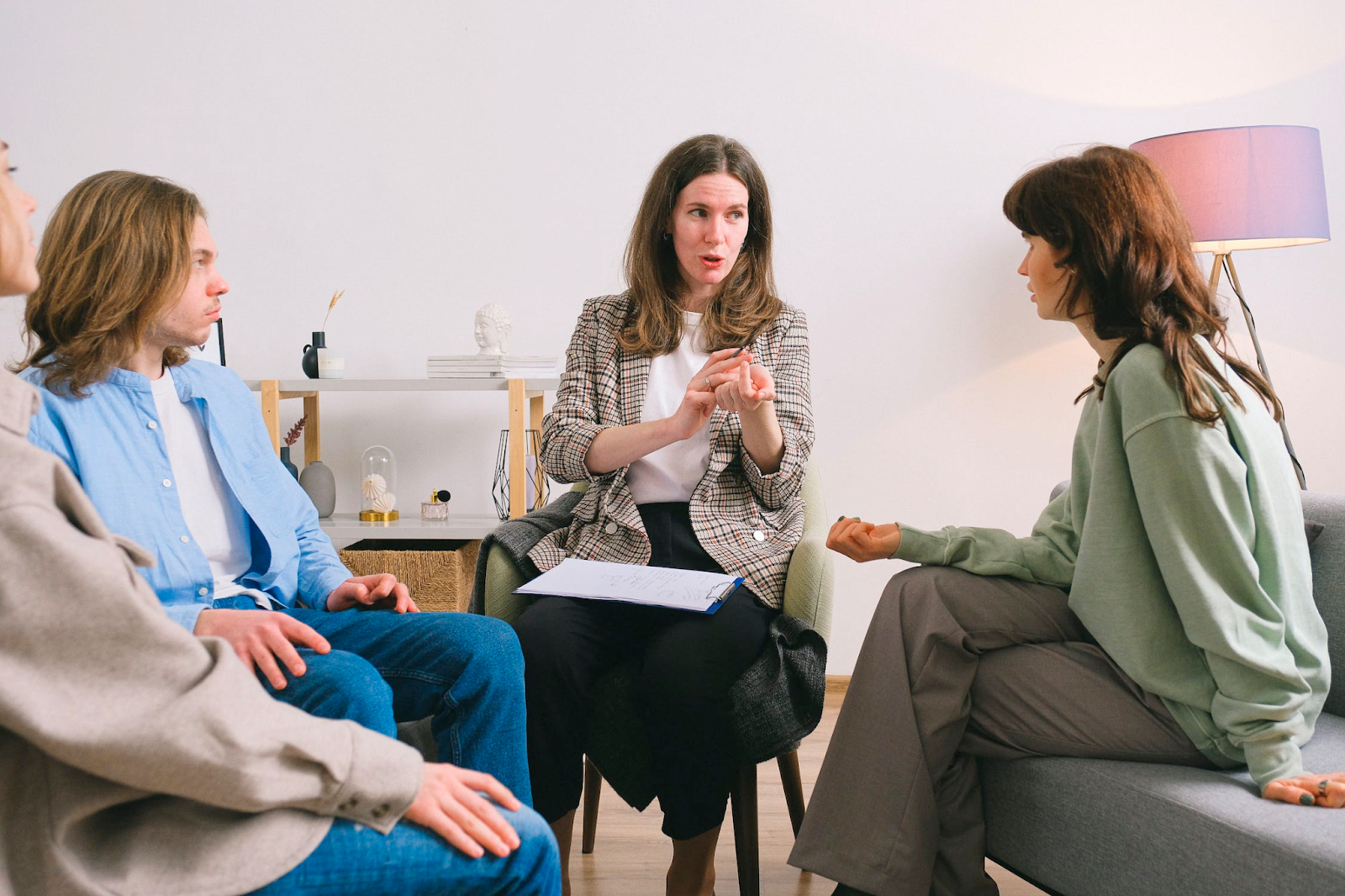
Group therapy can sound terrifying, but it can be powerful. It gives you practice in a supported room, with people who get it.
If you are dealing with alcohol or drug use at the same time, look for care that treats both. A Rehabilitation Center in Illinois can support recovery while also addressing anxiety, so you build skills that work in real life, not only in a therapist’s office.
Step 3: Consider medication support when needed
Some people benefit from medication, especially when anxiety blocks basic functioning. A clinician can help you decide what fits your situation.
Medication is not a personality change. It can be a bridge that helps you practice new habits without your body going into alarm mode every time.
Step 4: Seek urgent support if safety is at risk
If you feel unsafe with yourself, or you think you might hurt yourself, treat that as urgent. Reach out to local emergency services or a crisis line in your country right away. You deserve fast support.
A gentle plan you can try this week
Here is a simple seven-day approach. Adjust it to your life.
Day 1: Choose one tiny rep. Write it in one sentence.
Day 2: Do it once. Then recover on purpose.
Day 3: Use one script in a low-stakes moment.
Day 4: Repeat the tiny rep. Keep it short.
Day 5: Plan an exit line before you go anywhere.
Day 6: Do one slightly harder rep, still small.
Day 7: Review your three-line debrief. Pick next week’s rep.
That is it. Nothing heroic. Just steady.
Social anxiety shrinks when you treat it like a training plan, not a character flaw. Tiny reps. Simple scripts. Real recovery. Plus support when you need it.