
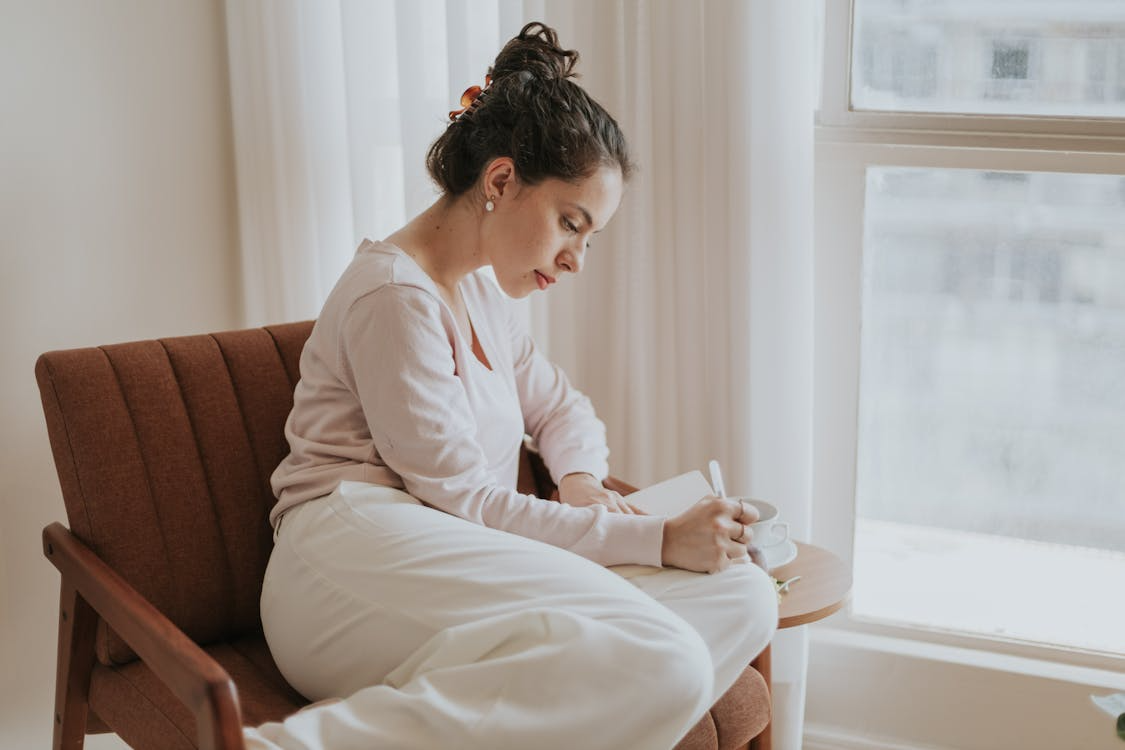
Your home is not just where you keep your stuff. It is where your nervous system lands at the end of the day.
When your space feels harsh, your body stays on alert. Bright glare. Stale air. Constant noise. Random piles. Too many smells at once. It adds up.
The fix is not a perfect “calm” aesthetic. You do not need a remodel. You do not need a shopping spree. You need small, sustainable shifts that make your home feel safer.
Good enough. That is the goal.
Start with “good enough” safety cues
Safety is a body feeling. You notice it in tiny signals. A softer light. A clear path to walk. A chair that does not squeak. Fresh air that does not smell like chemicals.
When you build safety cues into your space, your brain stops scanning for threats. You exhale faster. You settle quicker. You sleep better.
Keep this simple.
Pick one stress point in your home. Just one.
- The corner where clutter stacks up
- The room that feels stuffy
- The spot where noise drains you
- The area where lighting feels sharp
Then work from there. One small change at a time, so you stick with it.
Here is a grounding thought that helps: your home does not need to look calm. It needs to feel calm.
The calm corner method: one small zone that signals rest
You do not need to calm every room. Start with one tiny zone that tells your body, you are safe here.
Think of it like a dock for your nervous system. You step in. You plug in. You recharge.
Choose your spot plus keep it easy to maintain
Pick a place you already pause.
- One side of the couch
- A chair near a window
- A corner of your bedroom
- A small section of your kitchen table
Make it easy to keep clean. If it is hard to maintain, it will turn into another guilt pile. You do not need that.
Build the corner with three simple layers
Layer 1: comfort you can feel
- A throw blanket you already own
- A pillow that supports your back
- A footrest, even a sturdy box works
Layer 2: light that softens the room
- A warm lamp instead of overhead light
- A shaded bulb
- Natural light in the day, curtains open just a bit
Layer 3: one grounding object
- A book you actually read
- A plant you do not baby
- A smooth stone, mug, or bowl you like touching
Keep it low-waste. Use what you already have first. Then buy only what you will keep using.
I once used a folded beach towel as a “calm corner” blanket for weeks because it was the softest thing within reach. It worked.
Now add one habit that makes the corner real.
- Sit there for five minutes after lunch.
- Drink your morning water there.
- Stretch there before bed.
Small ritual. Big signal.
Clean-air basics: fresh air, fewer toxins, less scent overload
Air is invisible, so it is easy to ignore. But stale air changes how you feel fast. Headaches. Brain fog. Irritability. That heavy, stuck feeling.
You fix a lot with simple ventilation habits plus a few low-toxin swaps.
Ventilation habits you can stick with
Kick off with the easiest rule: air out your home on purpose.
- Open two windows for 5 to 10 minutes each day for cross-breeze.
- Run your bathroom fan during showers plus 20 minutes after.
- Use your range hood when you cook. If you do not have one, crack a window.
- Keep vents clear. Do not block them with furniture.
If outdoor air is poor that day, keep windows shut plus focus on filtering and dust control instead.
Low-toxin swaps that actually matter
You do not need to replace everything. Start with the highest-contact items.
- Choose fragrance-free laundry soap if scents trigger you.
- Switch to a simple dish soap plus an all-purpose cleaner without added fragrance.
- Skip air fresheners. They can overwhelm your senses fast.
- If you paint, pick low-volatile organic compound options. Volatile organic compounds are chemicals that evaporate into the air.
Scent overload is real. When smells stack up, your brain stays busy sorting them out. That creates stress.
Try a reset for one week.
- No scented candles.
- No plug-ins.
- No spray fresheners.
Then add back one scent source if you love it. Keep it gentle. Keep it singular.
If you are already dealing with anxiety, depression, or substance use recovery, your environment matters even more. Structured care helps, but so do steady routines at home. If you are looking at treatment options, these Pennsylvania Rehab Programs can be a starting point for understanding what support can look like beyond your living room.
Light that calms: reduce glare, support your sleep
Light tells your brain what time it is. Harsh light keeps you alert. Soft light helps you wind down.
You do not need fancy smart bulbs. You just need fewer extremes.
Daytime light: get bright, then move it off your face
In the morning, aim for natural light.
- Open curtains soon after you wake.
- Sit near a window while you eat.
- Step outside for a few minutes if you can.
Then reduce glare.
- Move your desk so light hits from the side, not straight at your eyes.
- Use a lamp with a shade instead of bare bulbs.
- Add a sheer curtain to soften direct sun.
Night light: warm, low, predictable
Your brain likes a clear cue that the day is ending.
- Turn off overhead lights after dinner.
- Use one or two lamps in the rooms you use at night.
- Dim screens an hour before bed if possible.
Keep it practical. If you scroll at night, lower brightness plus use a warmer screen setting. It reduces strain.
Sleep improves when your evenings feel consistent. Light is a simple lever.
Noise, rhythm, and soft boundaries
Noise is not only loud music. It is also the fridge hum, street sound, plus constant notifications.
Your brain treats unpredictable sounds like a threat. So you want less surprise.
Reduce sound spikes, not all sound
Start with the moments that jolt you.
- Put a felt pad under a door that slams.
- Add a small rug to cut echo in one room.
- Close gaps where sound leaks in, like under doors.
- Use a fan for steady background sound at night if it helps.
Then set boundaries with devices.
- Put your phone on silent for one hour each evening.
- Charge it outside your bedroom if you can.
- Turn off non-essential notifications.
You are not trying to create silence. You are trying to create steadiness.
Declutter for your brain: 15 minutes a day to reduce visual noise
Clutter is not a moral problem. It is a load on your attention.
When there is stuff everywhere, your brain keeps scanning. Where do I put this? What is that? Why is this here? It is exhausting.
So keep it light. Do a 15-minute reset. Daily.
The 15-minute reset rule
Set a timer. Choose one surface.
- A kitchen counter
- A coffee table
- A chair that collects clothes
Then do three moves:
- Throw away trash.
- Put items back where they belong.
- Place “homeless” items in one box.
Stop when the timer ends. Even if the box is full. The win is the reset, not perfection.
Make clutter harder to create
A few eco-friendly habits reduce clutter at the source.
- Keep one small donation bag in a closet.
- Say no to freebies you do not want.
- Choose refillables for common items so packaging does not pile up.
- Store like with like. One bin for cables, one for receipts, one for mail.
Your space starts to feel calmer when your eyes have fewer places to land.
Carry the calm into recovery routines
A safer-feeling home helps everyone. It is especially important when you are rebuilding stability after a hard stretch.
Your environment supports your habits. Habits support your progress.
If you are in a structured program, you often return home with new routines to protect. Sleep schedule. Meal timing. Movement. Meeting attendance. Therapy homework. Those routines go down easier in a space that feels steady.
If you are exploring higher levels of care, California residential treatment gives you a structured setting where daily rhythms are built into the program, plus you can take those patterns back home later.
Back at home, keep it simple:
- Keep your calm corner ready.
- Air out your rooms on a schedule.
- Lower the lights after dinner.
- Do your 15-minute reset.
These small actions stack.
A friendly way to start today
Pick one change you can do in under ten minutes.
Open a window. Clear one surface. Move a lamp. Put one soft blanket on your chair. Turn off one notification.
Then do it again tomorrow.
Your home does not need to impress anyone. It needs to support you. A safer space starts with small choices you can keep up with, so your nervous system gets the message, day after day, that you are okay here.